Small spaces can often feel cramped and uninviting. Effective lighting is key to transforming these areas. Knowing how to improve lighting in small spaces can make a remarkable difference.
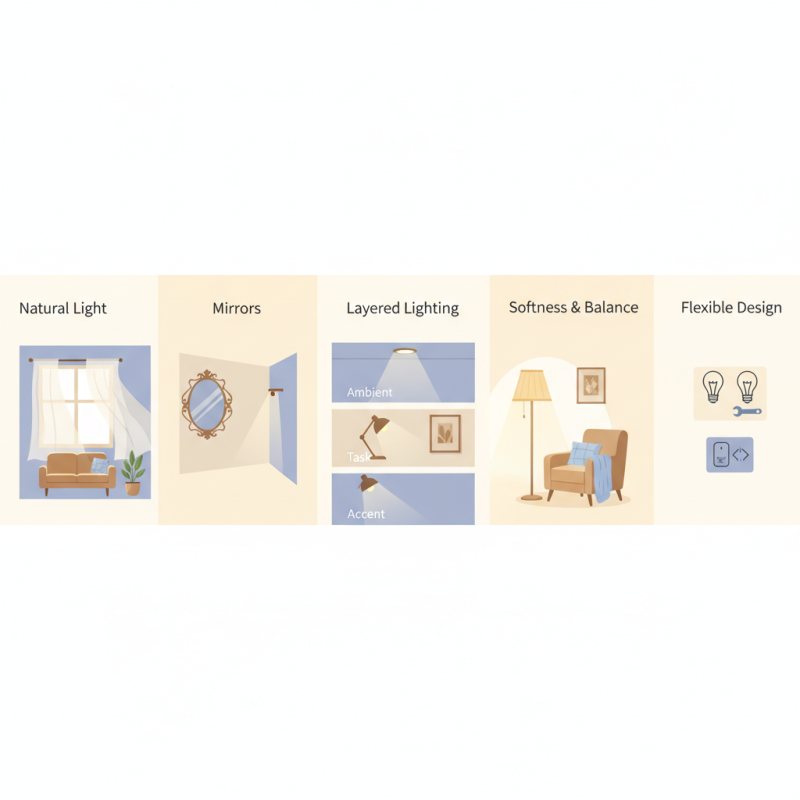
Bright, well-distributed light enhances the perception of space. Natural light can create an airy feel, while strategically placed fixtures add warmth. Consider using mirrors to reflect light, amplifying brightness and making the area appear larger. Layering different light sources, like ambient, task, and accent lighting, can also elevate the overall atmosphere.
However, balance is crucial. Overly bright spaces may feel stark and unwelcoming. Aim for softness in certain areas to create a cozy environment. Regularly reassess your lighting choices, adjusting as necessary to achieve the perfect ambiance. Remember, the goal is to create a harmonious space where light and comfort coexist.
Understanding the Importance of Lighting in Small Spaces
Lighting plays a critical role in small spaces. The right lighting can enhance perceived room size and create a welcoming atmosphere. According to industry reports, proper illumination can make a space feel 20% larger. This fact highlights how crucial lighting choices are. If a room lacks natural light, strategic artificial lighting becomes essential.
[Image]
Consider using wall-mounted fixtures to free up floor space. These create an open feel while providing essential brightness. Dimmers are another smart choice. Reports show that adjustable lighting can improve mood and functionality. A simple switch allows you to change the ambiance. Use warm-toned bulbs to add a cozy feel to your small area.
Layer your lighting. Combine ambient, accent, and task lighting for depth. Table lamps, floor lamps, and ceiling fixtures all serve different purposes. Focus on the specific areas you want to highlight. However, too many light sources can create clutter. Finding the right balance requires thought and planning. Don’t be afraid to experiment—what works for one space may not suit another. Always reflect on your needs and adjust as necessary.
Types of Lighting to Enhance Small Areas: Ambient, Task, and Accent
Lighting plays a crucial role in transforming small spaces. Using ambient, task, and accent lighting can significantly enhance these areas. Ambient lighting provides a soft, general illumination that fills the room. This type of lighting can often be created with ceiling fixtures or wall-mounted sconces. Using dimmers can help adjust the ambiance, allowing light to match the mood.
Task lighting, on the other hand, focuses on specific areas where activities occur. This can include reading, working, or cooking. Table lamps and under-cabinet lights are excellent choices. Positioned strategically, they can alleviate shadows and improve functionality. However, it’s essential to avoid excessive brightness, as it may create discomfort.
Accent lighting adds drama and interest to small spaces. Consider highlighting artwork or architectural features. The right spotlights can draw attention without overwhelming the room. Remember that balance is key. Overdoing accent lighting can feel chaotic. Reflect on how different lights interact in your space. A thoughtful approach can make even the smallest area feel welcoming.
Maximizing Natural Light: Tips for Window Treatments and Placement
When it comes to enhancing small spaces, natural light plays a crucial role. Studies from the American Society of Interior Designers show that spaces flooded with natural light can improve mood and productivity by 15%. To maximize this, consider how window treatments can impact light flow. Opt for sheer curtains instead of heavy drapes. They allow sunlight to filter in while providing some privacy. Many homeowners overlook this simple adjustment.
Placement of mirrors can create an illusion of spaciousness. Position them across from windows to reflect light throughout the room. According to a report by the Lighting Research Center, reflective surfaces can boost perceived brightness by up to 30%. However, be mindful not to overload a small room with too many reflective items, as it can create a cluttered feel.
Lastly, the color of your window treatments can affect light absorption. Lighter colors tend to reflect light better than darker hues. However, finding the perfect balance can be tricky. If you're too cautious, the room can feel washed out. Aim for a pop of color that complements the space without overwhelming it. This nuanced approach can greatly enhance the ambiance of a small area.
Creative Light Fixtures: Choosing the Right Style and Size
When it comes to brightening up small spaces, selecting the right light fixtures plays a crucial role. According to a report from the American Lighting Association, the right light design can enhance feelings of spaciousness and comfort. Creative fixtures can transform an area, making it more inviting. Choosing the right style and size depends on the existing decor and dimensions of the room.
Consider pendant lights for a cozy atmosphere. They can create a focal point above dining tables or kitchen islands. Opt for styles that complement your decor. A too-large fixture can overwhelm a small space. According to industry research, light placement affects perceived size. Don’t shy away from experimenting with heights and arrangements.
Wall sconces are another excellent choice. They provide ambient lighting without taking up floor space. Place them near mirrors to reflect light. This strategy can visually expand the area. Users often forget about layering light; blending ambient, task, and accent lighting can improve functionality. Small spaces require thoughtful design, but the right fixtures bring style and practicality together. Always test different options before making final decisions.
Using Color and Reflective Surfaces to Amplify Light Effects
In small spaces, maximizing light is crucial. The use of color and reflective surfaces plays a significant role in amplifying natural light and creating an illusion of space. According to a report from the American Lighting Association, well-lit rooms can feel 20% larger than their actual size. Soft, light colors on the walls can make a great difference. Pastels and whites reflect light, enhancing brightness.
Mirrors are another effective tool. Strategically placing them can bounce light around the room. A study by the National Association of Home Builders found that including mirrors can increase perceived space by 30%. Consider adding a large mirror opposite a window. It can transform how light enters the space.
Tips: Use semi-gloss or satin finishes on paint. These finishes reflect more light than flat paints. Incorporate glass furniture. This adds openness and doesn't obstruct light. Lightweight curtains or blinds can also allow more light to filter in. With thoughtful choices, even the smallest areas can feel inviting and bright.
FAQS
: Ambient lighting provides general illumination, filling the room with a soft glow.
Use table lamps or under-cabinet lights at strategic spots for focused illumination in work areas.
Too bright lighting can cause discomfort and strain on the eyes.
Accent lighting highlights art or features, adding interest without overwhelming the room.
Sheer curtains allow sunlight to filter in while maintaining some privacy, enhancing small areas.
Position mirrors across from windows to reflect light and create an illusion of spaciousness.
Lighter colors better reflect light, enhancing the overall brightness of a room.
Semi-gloss or satin finishes reflect more light than flat paints, making spaces feel larger.
Yes, glass furniture adds openness and allows light to pass through, enhancing brightness.
Too many reflective items can create a cluttered feel, diminishing the space's appeal.
Conclusion
Effective lighting plays a crucial role in enhancing small spaces, making them feel larger and more inviting. To improve lighting in small spaces, it's essential to understand the three primary types of lighting: ambient, task, and accent. Each type serves a specific purpose, creating a balanced and functional atmosphere. Additionally, maximizing natural light through strategic window treatments and placement can significantly brighten a room.
Choosing creative light fixtures is also important; selecting the right style and size ensures they complement the overall design while providing adequate illumination. Furthermore, utilizing color and reflective surfaces enhances natural and artificial light, amplifying its effects and transforming small areas into brighter, more welcoming environments. By implementing these tips, anyone can effectively improve lighting in small spaces, making them both stylish and functional.
 SMOG Lights