 SMOG Lights
How To Choose Energy Efficient Lighting For Your Home?
Choosing energy-efficient lighting for your home is essential not only for the environment but also for your wallet. Understanding "How To Choose Energy Efficient Lighting" can significantly impact your energy consumption. Energy-efficient lights reduce usage and lower electricity bills. They come in various designs and technologies, making selection feel overwhelming.
Many consumers encounter confusion when selecting the right bulb type. LED, CFL, and halogen options all have unique benefits and drawbacks. Your choices may depend on the room's purpose and the ambient atmosphere desired. Not all energy-efficient lighting is suitable for every space, requiring thought and consideration.
It’s important to reflect on the long-term benefits of investing in energy-efficient solutions. While the initial cost may be higher, savings accumulated over time can be substantial. Balancing cost with efficiency is critical for making informed decisions. Ultimately, understanding your needs and preferences will guide you in making the best choice for a brighter, more sustainable home.
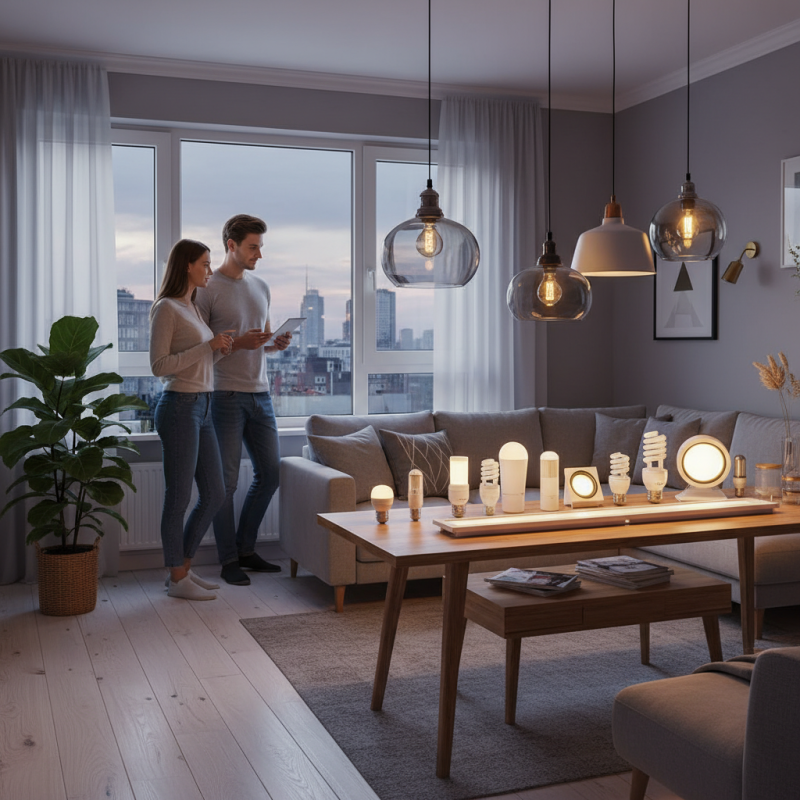
Understanding Energy Efficiency in Lighting
Choosing energy-efficient lighting can significantly impact your home’s energy consumption. Understanding energy efficiency in lighting is crucial. It revolves around how much light you can generate with minimal energy use. Traditional incandescent bulbs waste a lot of energy as heat. In contrast, modern LED lights convert most energy into visible light, making them a more efficient option.
When assessing lighting options, consider the brightness and color temperature. Brightness, measured in lumens, determines how well a space is illuminated. Calculate the lumens needed based on room size and purpose. Color temperature indicates the hue of the light. Warmer tones create a cozy atmosphere, while cooler tones are better for tasks.
It’s important to note that not all energy-efficient options are perfect. Some LED lights may flicker or emit a harsh glow. Researching product reviews ensures you choose reliable lighting. Balancing cost and efficiency can be tricky. Energy-efficient bulbs might have a higher upfront cost but save money in the long run. Ultimately, finding the right lighting requires careful consideration of aesthetics and practicality.
FAQS
: Energy efficiency in lighting refers to generating light with minimal energy use.
LED lights use less energy and convert most it into visible light, reducing waste.
Brightness is measured in lumens. Calculate lumens based on room size and purpose.
Color temperature indicates the hue of light, affecting mood. Warmer tones are cozy, while cooler tones are task-oriented.
LED bulbs last longer and are more energy-efficient. CFLs take longer to warm up but are still eco-friendly.
Yes, some LED bulbs may flicker or have a harsh glow. Research product reviews for reliable options.
Consider personal preferences, fixture compatibility, brightness, and whether dimming is needed.
Compare wattage; LED bulbs typically use 10-12 watts, while incandescents use about 60 watts.
Replacing ten incandescent bulbs with LEDs can save about $150 yearly on electricity bills.
Initial costs for LED fixtures can be high, causing concern about upfront investment versus long-term savings.
Conclusion
In the article titled "How To Choose Energy Efficient Lighting For Your Home," readers are guided through the essentials of selecting lighting options that minimize energy consumption. The discussion begins with an understanding of energy efficiency in lighting, shedding light on its significance in reducing electricity bills and environmental impact. Various types of energy-efficient light bulbs, including LEDs and CFLs, are explored to help homeowners make informed choices based on their specific needs.
Key factors to consider when selecting light fixtures include brightness, color temperature, and compatibility with existing electrical systems. The article also emphasizes the importance of calculating potential energy savings to demonstrate the benefits of switching to efficient lighting. Finally, practical tips are provided for the proper implementation of energy-efficient lighting, ensuring a seamless transition in any home. Overall, this comprehensive guide serves as a valuable resource for anyone looking to understand "How To Choose Energy Efficient Lighting" effectively.
