How to Choose Waterproof LED Strips for Your Outdoor Projects?

Time:2026-03-18 Author:Liam
0%

Choosing the right Waterproof LED Strips for outdoor projects can be daunting. As industry expert John Smith states, “Not all strips are created equal.” His insight reminds us to look closely at specifications and ratings.

When exploring Waterproof LED Strips, consider the environment where they will be installed. Rain, humidity, and temperature changes pose risks. Many products claim to be waterproof, but not all can withstand harsh conditions. Ensure you check the IP rating, which indicates the level of protection.

Think about the installation process as well. Quality matters in securing Waterproof LED Strips for long-lasting use. Improper placement may lead to failures or diminished brightness. Reflect on these elements carefully to make an informed decision that meets your outdoor lighting needs.
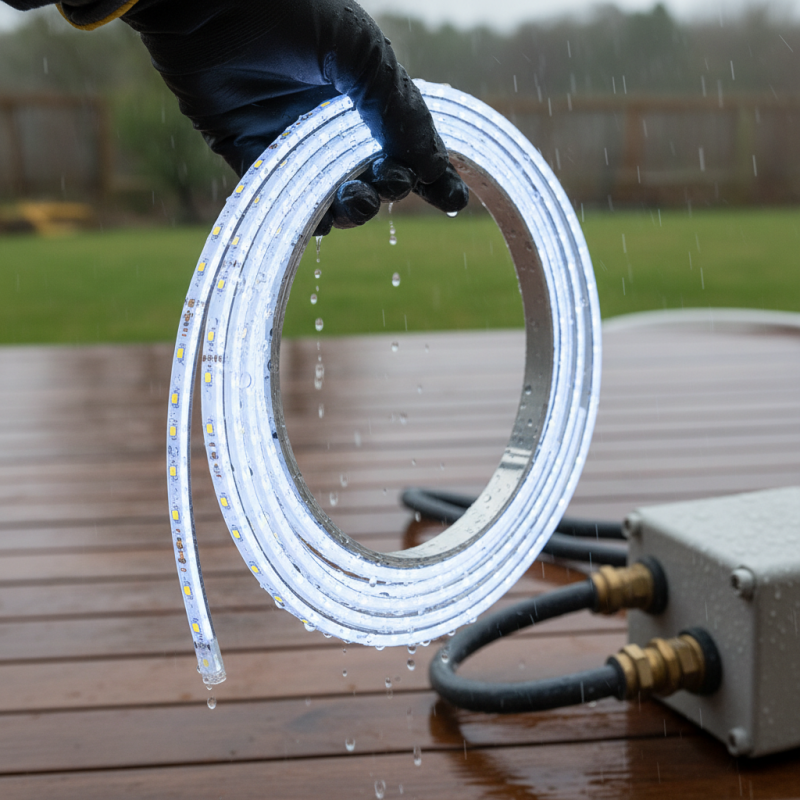
How to Choose Waterproof LED Strips for Your Outdoor Projects?

Understanding Waterproof Ratings for LED Strips

When selecting waterproof LED strips for outdoor projects, understanding waterproof ratings is crucial. LED strips are typically rated using the Ingress Protection (IP) system. The IP rating consists of two digits. The first digit indicates protection against solids, while the second represents protection against liquids. For outdoor use, a rating of at least IP65 is advisable. This rating ensures resistance against water splashes and dust. However, some strips may only temporarily handle moisture.

A recent industry report highlights that nearly 70% of outdoor lighting failures are due to inadequate water resistance. Many users mistakenly believe that all LED strips labeled waterproof can withstand heavy rain or immersion. Yet, only those rated IP67 or higher can endure prolonged exposure to water. While higher-rated strips offer better protection, they can often be more expensive and harder to find.

It’s essential to reflect on the specific conditions of your environment. For instance, if your project is in a humid area, even IP65 may not be adequate. Consider using additional protective measures, such as sealants or weatherproof enclosures, to enhance longevity. Every project presents unique challenges, and understanding waterproof ratings can lead to better choices in materials.

How to Choose Waterproof LED Strips for Your Outdoor Projects? - Understanding Waterproof Ratings for LED Strips

Type IP Rating Recommended Use Voltage Length
Silicone Encased IP67 Outdoor, Wet Locations 12V 5m
PVC Coated IP65 Outdoor, Dusty Environments 24V 10m
Non-Waterproof N/A Indoor Use Only 12V 5m
Recessed IP68 Underwater Features 12V 2m

Types of Waterproof LED Strips for Outdoor Use

When selecting waterproof LED strips for outdoor projects, understanding the types available is crucial. There are primarily two categories: IP65 and IP67 rated strips. IP65 strips are dust-tight and resistant to low-pressure water jets. They are perfect for areas with light exposure to moisture, like patios. On the other hand, IP67 strips are fully submersible, making them suitable for installations near water features.

Consider the LED type as well. SMD (Surface Mount Device) LEDs are common, providing bright lighting. They come in various color temperatures, allowing customization for any ambiance. Research indicates that SMD 5050 LEDs are among the most popular, offering a good balance between brightness and energy efficiency. However, brightness is not everything. Be mindful of energy consumption to maintain sustainable outdoor lighting.

Tips: Choose strips with additional coating for enhanced durability. Look for options that come with a waterproof adhesive backing. This can simplify installation and ensure longevity. Regularly inspect your installations, as even high-quality strips can deteriorate under harsh conditions. This might lead to unexpected replacements, unexpectedly affecting your budget or project timeline. Proper placement can mitigate wear and tear, so invest some time in planning.

Key Features to Look for in Outdoor LED Strips

When choosing waterproof LED strips for outdoor projects, certain key features are essential. Look for strips with an IP rating of at least IP65. This rating ensures they can withstand rain and splashes. Strips with silicone encasings or those designed for outdoor use are preferable. They shield the lights from moisture, prolonging their lifespan.

Brightness is another crucial factor. Check the lumens per meter or foot. Higher lumens mean brighter light output, which is vital for visibility at night. Consider adjustable color temperatures as well. Warmer tones can create a cozy atmosphere, while cooler tones can enhance visibility. Additionally, look for energy efficiency. Strips that use less power can reduce your electricity bill.

Don’t overlook installation ease. Some strips come with adhesive backing, making setup simple. Others may require additional hardware. Evaluate your space's layout carefully. Lastly, remember that not all waterproof features are perfect. There may still be concerns about condensation and humidity, which could affect the strips over time.

Waterproof LED Strips for Outdoor Projects

Installation Considerations for Waterproof LED Strips

When installing waterproof LED strips, there are key considerations to keep in mind. Ensure the ambient temperature suits the strip's specification. Extreme cold or heat can affect performance. Additionally, check the IP rating. For outdoor projects, an IP65 or higher rating is ideal, protecting against water splashes and dust.

Secure the LED strips appropriately. Use weather-resistant adhesive or clips to prevent peeling off over time. Consider the surface material. Some surfaces may not hold adhesives well. For example, rough or porous materials might require extra preparation.

Tips:
Testing the strips before installation is wise. Connect them temporarily to a power source. This way, you ensure they work correctly. Take notes if certain segments flicker or don’t illuminate.

Remember to plan for visibility. Positioning is crucial for maximizing light output. Avoid shadowy areas by angling the strips properly. Sometimes, a little extra planning leads to better results. Don't underestimate how a simple miscalculation can impact illumination quality.

Maintaining and Caring for Outdoor LED Strips

When using outdoor LED strips, maintenance is crucial for longevity. Regularly inspecting the strips for signs of wear is important. According to a recent industry report, about 30% of outdoor lighting failures are due to improper installation or maintenance. The connections and power sources should be checked every few months. Look for any frayed wires or loose connections.

Cleaning is another essential aspect. Dust and debris can accumulate, reducing brightness. Using a soft cloth and a mild detergent can help keep your LED strips shining. After heavy rainfall or snow, be sure to wipe them down. If your strips are submerged or frequently exposed to the elements, consider investing in protective covers.

Additionally, be aware of temperature fluctuations. Many outdoor LED strips operate well between 20°F and 100°F. Extreme temperatures can cause them to dim or malfunction. Keeping the surrounding area clear of obstructions is also vital. Plants or furniture can block light and create shadows, which may affect visibility. Always be prepared to adapt your setup for changing environmental conditions.

FAQS

: What do the IP ratings on LED strips indicate?

: IP ratings show protection against solids and liquids. The first digit is for solids, and the second for liquids.

What is the minimum IP rating recommended for outdoor LED strips?

An IP rating of at least IP65 is advisable for outdoor use to resist water splashes and dust.

Can all waterproof LED strips handle heavy rain?

No, only strips rated IP67 or higher can endure prolonged exposure to water. Higher ratings offer better protection.

Why is it important to consider the environment when choosing LED strips?

The environment impacts strip longevity. Humid areas may require higher ratings or extra protective measures for durability.

What features should I look for in outdoor LED strips?

Key features include a high IP rating, brightness in lumens, adjustable color temperatures, and energy efficiency.

How can I ensure the longevity of outdoor LED strips?

Use strips with silicone encasings and consider sealants or weatherproof enclosures to enhance their lifespan.

What should I know about installation of LED strips?

Some strips come with adhesive backing, while others need additional hardware. Evaluate your space’s layout beforehand.

Can waterproof LED strips still have issues over time?

Yes, condensation and humidity can still impact waterproof strips, even if they have a high IP rating.

Conclusion

When choosing Waterproof LED Strips for outdoor projects, it's crucial to understand the various waterproof ratings that determine their durability and performance in different weather conditions. These ratings inform the user about the strip's resistance to moisture and dust, helping to select the appropriate type for specific outdoor applications. Various types of waterproof LED strips are available, each designed for different environments, from light rain to heavy snowfall.

Additionally, key features such as brightness, color temperature, and flexibility should be considered to ensure the strips meet aesthetic and functional needs. Installation requires careful planning to account for power supply and securing the strips against elements. Finally, regular maintenance can prolong the life of waterproof LED strips, ensuring their longevity and optimal performance in outdoor settings. By considering these factors, consumers can make informed decisions that enhance their outdoor lighting projects.

Liam

Liam

Liam is a dedicated marketing professional with a profound expertise in the industry, where he excels at highlighting the unique advantages of our core products. With a keen understanding of market trends and consumer needs, Liam frequently updates our company’s professional blog, providing......