How To Design Energy Efficient Lighting Systems For Your Business?

Time:2026-06-19 Author:Isabella
0%

In today's competitive business landscape, energy efficiency has become crucial. One of the key areas to focus on is lighting. Understanding how to design energy efficient lighting systems can lead to reduced costs and enhanced productivity. Proper lighting enhances employee focus and satisfaction. Studies show that well-lit spaces can boost creativity and morale.

Energy efficient lighting not only benefits your business financially but also contributes positively to the environment. Businesses often overlook the importance of details in lighting design. It's not just about brightness; it involves color temperature, fixture placement, and control systems. Each aspect contributes to the overall effectiveness of the lighting system.

Implementing energy-efficient solutions can be a challenging process. Many businesses face obstacles like budget constraints or outdated technology. However, a thoughtful approach can lead to effective solutions. Documenting the trial and error in your process can provide invaluable insights. Striving for a balance between aesthetics and efficiency is often necessary. As you explore how to design energy efficient lighting systems, be willing to reflect on what works and what doesn’t.
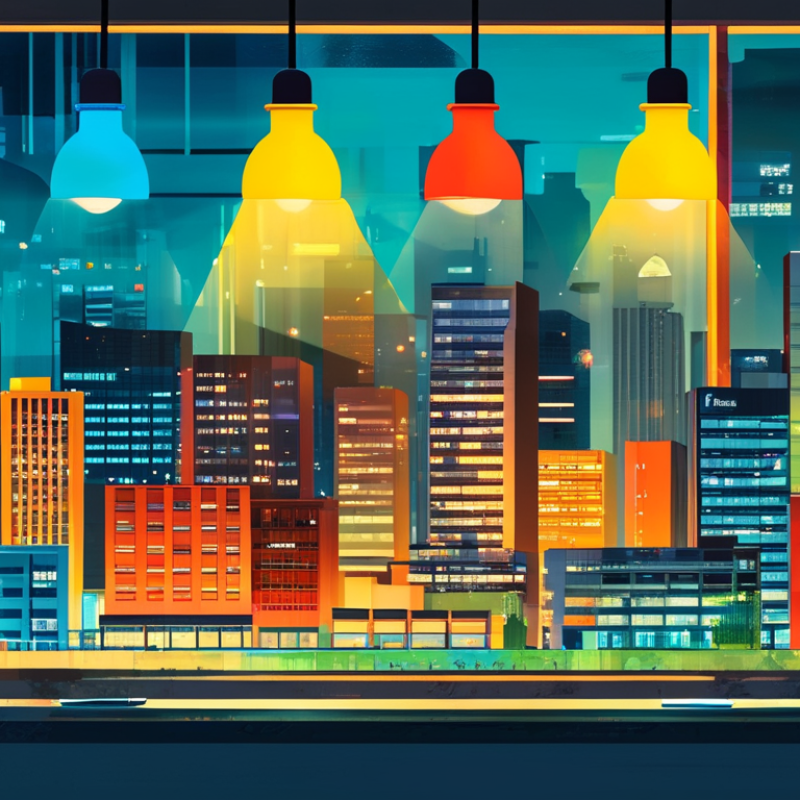
How To Design Energy Efficient Lighting Systems For Your Business?

Understanding Energy Efficiency in Lighting Systems

Energy efficiency in lighting systems is critical for businesses aiming to reduce operational costs and their carbon footprint. Understanding how to design these systems requires a focus on both technology and best practices. Using energy-efficient lighting not only lowers energy bills but also enhances employee productivity. Properly lit spaces can improve mood and reduce eyestrain.

Tip: Consider adopting LED lighting for your facilities. LEDs can last up to 25 times longer than traditional bulbs. This longevity translates into fewer replacements and lower maintenance costs. Ensure to assess the lighting needs of each area. Not every space requires the same intensity of light.

Another aspect to consider is the integration of smart controls. Dimming features and occupancy sensors can significantly optimize energy use. When areas are unoccupied, lights can automatically dim or turn off, reducing wastage. However, the initial investment in smart technology can be significant. Businesses should weigh the immediate costs against long-term savings.

Tip: Regularly evaluate your lighting setup. Outdated fixtures can drain energy and diminish efficiency. Small adjustments, like switching to higher-efficiency bulbs, can yield noticeable results over time. Regular maintenance is also vital; dirty fixtures can decrease light output by up to 30%.

Identifying Your Business Lighting Needs

Identifying the lighting needs of your business is crucial for energy efficiency. Start by assessing your space. Different areas require different lighting levels. For example, an office may need bright, even light, while a restaurant may benefit from warm, ambient lighting. Consider how each area will be used throughout the day and the activities taking place.

**Tips:** Consider using dimmable lights in versatile spaces. This allows you to adjust brightness as needed. Also, evaluate natural light sources. Windows and skylights can greatly reduce your need for artificial lighting during the day.

Think about the type of light fixtures that fit your needs. LED lights are energy-efficient and long-lasting. However, not all fixtures work well in every setting. Some may create harsh shadows or weak spots. It's important to experiment with placement and types of fixtures before making a final decision.

**Tips:** Use a lighting design tool. This can help visualize how different lights work together. Don't be afraid to ask for professional input when needed. Their expertise can help you avoid costly mistakes.

Energy Efficiency of Different Lighting Technologies

Selecting Energy-Efficient Lighting Technologies

Selecting energy-efficient lighting technologies for your business is crucial. Start by assessing your current lighting needs. Different spaces require different lighting levels. For instance, a retail store may need brighter lights compared to an office.

LED lights often emerge as a popular choice. They use less energy and last longer than traditional bulbs. However, not all LEDs are created equal. Some may not provide the quality of light your space needs. It's vital to choose LEDs with a high Color Rendering Index (CRI). This ensures colors appear natural and vibrant.

Consider smart lighting systems as well. These can adjust brightness based on occupancy and natural light levels. However, installation costs may deter some. Evaluate the long-term savings against initial expenses. Energy-efficient choices save money, but it’s essential to ensure they meet your specific requirements. Remember, there's always room for improvement in the selection process.

Implementing Lighting Controls and Automation

Implementing effective lighting controls and automation is crucial for energy-efficient lighting systems in businesses. Smart lighting systems adjust brightness based on occupancy and natural light. This not only saves energy but also enhances comfort in the workspace.


Consider using motion sensors in less frequented areas. These devices turn lights off when no one is around, reducing unnecessary energy expenditure. It's also essential to integrate daylight sensors. They can automatically dim artificial lights when sunlight is abundant, ensuring optimal illumination.


Regularly review your lighting settings. You might find issues like over-lighting or inconsistent brightness levels. Small adjustments can lead to significant energy savings. Employee feedback can provide insights on whether the current system meets their needs. Balancing efficiency with comfort can take time. But the results are worth the effort.

Regular Maintenance and Evaluation of Lighting Systems

Regular maintenance and evaluation of lighting systems are crucial for energy efficiency. These tasks ensure that the lighting is functioning correctly and meets business needs. Frequent checks can reveal issues like flickering lights or dimming bulbs. Addressing these problems promptly can prevent energy waste. Routine evaluations help in assessing the overall performance of the system. This can lead to informed decisions about upgrades or changes that could save energy and costs.

Consider scheduling maintenance every six months. A qualified technician can inspect fixtures, replace burnt-out bulbs, and clean lenses. Dust and dirt can significantly reduce light output. This simple cleaning task can improve efficiency and ensure a uniform distribution of light. It’s worth noting that not all systems are the same. Some may require more frequent attention or specific adjustments based on their usage patterns.

Listening to feedback from employees is essential, too. They can provide insights into how the lighting impacts their productivity. Issues like glare or insufficient lighting can harm their work. Adjustments based on their experiences are vital to creating a comfortable and productive environment. Regular maintenance not only ensures energy efficiency but also enhances workplace morale and productivity.

How To Design Energy Efficient Lighting Systems For Your Business? - Regular Maintenance and Evaluation of Lighting Systems

Lighting Type Energy Consumption (W/Unit) Lifespan (Hours) Initial Cost ($) Maintenance Frequency (Months)
LED 10 25,000 50 24
CFL 15 10,000 20 12
Incandescent 60 1,000 1 6
Halogen 45 2,000 3 8
Fluorescent 20 7,000 15 10

FAQS

: Why is energy efficiency important in lighting systems?

: Energy efficiency reduces operational costs and carbon footprint. It also boosts employee productivity and improves mood.

What type of lighting is recommended for businesses?

LED lighting is often recommended. They last longer and require fewer replacements, saving money long-term.

How can I assess my lighting needs?

Evaluate the purpose of each space. Different areas, like retail stores and offices, need varying light intensities.

What features should I look for in LEDs?

Choose LEDs with a high Color Rendering Index (CRI). This ensures natural and vibrant color appearance.

How can smart controls help with energy efficiency?

Smart controls adjust lighting based on occupancy. They can dim or turn off lights when areas are unoccupied.

Are there downsides to implementing smart technology?

Yes, initial investment costs can be high. Weigh these against long-term savings to decide if it's worthwhile.

How often should I evaluate my lighting setup?

Regular evaluations are essential. Outdated fixtures can waste energy and reduce efficiency significantly.

Can small changes make a difference in lighting efficiency?

Absolutely. Small adjustments, like higher-efficiency bulbs, can lead to noticeable energy savings over time.

What maintenance is necessary for lighting systems?

Regular maintenance is crucial. Dirty fixtures can reduce light output by 30%.

Is it possible to improve lighting selection continuously?

Yes, there's always room for improvement. Continuously assess and adapt to better lighting technologies and practices.

Conclusion

Designing energy-efficient lighting systems for your business is a multifaceted approach that begins with understanding energy efficiency principles. It's essential to identify your specific lighting needs, which can vary based on the type of business and the activities conducted within. Selecting energy-efficient lighting technologies, such as LED fixtures, is a crucial step in this process, as these options can significantly reduce energy consumption while maintaining adequate illumination.

Furthermore, implementing lighting controls and automation can enhance efficiency by allowing for adjustments based on occupancy and natural light availability. Regular maintenance and evaluation of your lighting systems are also vital to ensure their performance remains optimal over time. By following these steps, you will master "How To Design Energy Efficient Lighting Systems" that not only save energy but also improve the overall environment of your business.

Isabella

Isabella

Isabella is a dedicated marketing professional with a sharp focus on driving brand growth and engagement through strategic content creation. With an extensive background in digital marketing, she combines her passion for storytelling with her keen understanding of industry trends to deliver......