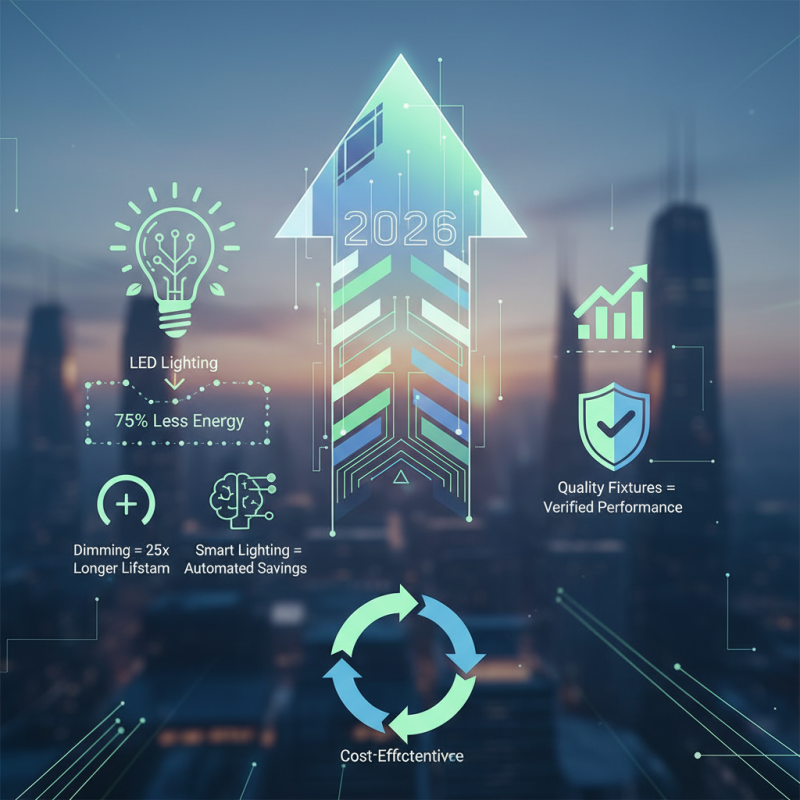
As we move towards 2026, energy efficiency remains a top priority in lighting solutions. LED lighting has transformed the industry, providing remarkable energy savings. According to the U.S. Department of Energy, LED lights consume up to 75% less energy than traditional incandescent bulbs. This significant reduction underscores the need for effective strategies, specifically tailored energy-saving tips with LED lighting.
Implementing energy-saving techniques can further optimize LED performance. For instance, dimming LEDs can increase their lifespan by up to 25 times, resulting in lower replacement costs. Meanwhile, smart lighting systems can automate usage, providing insights into energy consumption patterns. However, many users overlook the potential of these technologies, leading to missed savings.
Investing in quality LED fixtures is another crucial step. Poor quality products may not deliver the expected energy savings and can lead to increased maintenance costs. Choosing reputable brands with verified performance metrics is essential for achieving genuine energy efficiency. Thus, exploring energy-saving tips with LED lighting is vital to enhance both sustainability and cost-effectiveness in the long run.
Best Energy Saving Tips for LED Lighting in 2026
Energy efficiency in LED lighting will be crucial in 2026. According to the U.S. Department of Energy, LED lighting uses at least 75% less energy than traditional incandescent bulbs. This remarkable efficiency will help in reducing energy consumption nationwide. However, not all LEDs are created equal. Some cheap options might offer lower initial costs but lack longevity and efficiency.
Focusing on the right wattage is key. Selecting bulbs that match or exceed your current lighting needs can significantly enhance energy savings. Color temperature also plays a role. Warmer white lights may use less energy and reduce the need for additional lighting. Furthermore, dimmable LEDs offer flexibility in energy usage. Reducing brightness can lead to substantial savings on your energy bill.
Regular maintenance of your LED lights is often overlooked. Dust and grime can block light output, forcing LEDs to work harder. This practice can diminish their lifespan. Another interesting fact is that smart lighting systems can optimize usage based on real-time needs, leading to deeper energy savings. Many consumers are unaware of these technologies. Understanding and utilizing these tips can make a noteworthy difference in energy consumption as we approach 2026.
Understanding LED Technology and Its Efficiency Gains
LED (Light Emitting Diode) technology has revolutionized lighting by offering significant energy savings. According to the U.S. Department of Energy, LEDs use at least 75% less energy than incandescent bulbs. This reduction can lead to substantial savings on electricity bills. In residential settings, households can save an average of $225 per year by simply switching to LED bulbs. These figures underscore the efficiency gains associated with modern lighting solutions.
Understanding the science behind LEDs is crucial. LEDs produce light through electroluminescence, where electricity passes through a semiconductor. This process is more efficient than traditional bulbs, which emit considerable heat. A report from the International Energy Agency suggests that by 2026, LED technology could account for over 60% of global lighting. However, many consumers still hesitate to embrace this innovation. Some worry about upfront costs despite long-term savings.
Imperfect conditions also affect LED adoption. The quality of light can vary significantly between products. Some LEDs offer a harsh white light while others provide warmer tones. Each type suits different environments, yet many people remain uncertain about what to choose. Additionally, inconsistent regulations in different regions can complicate the purchasing process. Therefore, understanding LED technology's nuances is essential for making informed decisions.
Energy Efficiency of LED Lighting (2026)
This chart compares the average energy consumption of different types of light bulbs in a year. As shown, LED bulbs use significantly less energy compared to CFL and incandescent bulbs, demonstrating their efficiency and cost-saving potential over time.
Comparative Analysis: LED vs Incandescent and Fluorescent Lighting
LED lighting has rapidly gained popularity due to its energy efficiency. Compared to incandescent bulbs, LEDs use about 75% less energy. They can last up to 25 times longer than traditional bulbs. This significant reduction in energy consumption results in lower electricity bills. Additionally, fluorescent lighting is another option, but it typically uses 25% less energy than incandescent bulbs.
A 2021 report from the U.S. Department of Energy emphasized that switching to LED lighting can save the U.S. about $30 billion in annual electricity costs. However, despite these advantages, some consumers still hesitate. Concerns about initial costs and color temperature variations can deter choices. It's essential to consider these factors when making a decision.
LEDs do produce minimal heat, unlike incandescent bulbs, which waste energy as heat. This heat could impact room temperature in poorly ventilated areas. However, not all LED products are created equal. Some cheaper bulbs may have problems, such as flickering or a shorter lifespan. Understanding these nuances can help consumers choose the right lighting effectively.
Practical Energy Saving Strategies for Residential LED Use
LED lighting has become popular in homes across the globe. However, many users still overlook simple energy-saving strategies. One effective method is utilizing dimmer switches. These switches not only enhance mood but also reduce energy consumption. When you lower the brightness, it decreases the overall power usage significantly.
Another practical approach is proper placement. Positioning LED lights in strategic locations can maximize their impact. Ensure that they illuminate high-traffic areas effectively. This way, you can reduce the need for additional lights in spaces. Layering light sources can create depth without overusing electricity.
Finally, mindful habits play a crucial role. Turning off lights when not in use is a no-brainer, but it’s often ignored. Using timers or smart home systems can automate this process. While some may find it tedious to adjust usage, it becomes easier with habitual practices. Making these small changes can lead to significant savings over time. Remember, every little bit counts in reducing your energy footprint.
Smart Lighting Systems: Enhancing Energy Efficiency in 2026
Smart lighting systems are set to transform energy efficiency by 2026. These systems leverage advanced technologies, such as IoT connectivity and automation, to optimize energy use. According to a recent report from the Global Energy Efficiency Institute, smart lighting options can reduce energy consumption by up to 60% compared to standard LED setups. This dramatic cut not only lowers electricity bills but also minimizes carbon footprints.
In 2026, the integration of smart sensors and controls will enhance how we use light. Systems can adjust brightness based on occupancy or ambient light levels, ensuring that energy is not wasted. As per the U.S. Department of Energy, buildings equipped with smart lighting systems see energy savings ranging from 30% to 50%. However, adoption remains inconsistent. Some businesses hesitate due to initial costs or complexities of installation. There’s a need for education on the long-term benefits.
Safety and reliability are paramount. With increased reliance on technology, issues may arise. Not all systems are equally robust. Users must consider potential interference from other devices. A meaningful deployment of smart lighting requires careful planning and consideration of these variables. The goal is clear: maximize efficiency while ensuring a reliable lighting experience.
Lifecycle Costs: Calculating Savings from LED Lighting Investments
When considering the lifecycle costs of LED lighting, it's crucial to evaluate the long-term savings. According to a 2023 report by the U.S. Department of Energy, LEDs use at least 75% less energy than incandescent bulbs. This efficiency translates to significant savings over time. For instance, replacing a single bulb can save approximately $55 in energy costs over its lifespan.
Maintenance is another critical factor. LEDs have a lifespan of about 25,000 hours, compared to only 1,000 hours for incandescent bulbs. This longevity means fewer replacements are needed, thus lowering maintenance costs. In commercial settings, reducing the frequency of bulb changes can decrease labor costs and minimize disruption.
However, the initial investment for LED lighting can deter businesses. While the upfront cost is higher, the energy and maintenance savings make it worthwhile in the long run. A study found that organizations could recover their investment in as little as three years, given the substantial reductions in energy bills. It's essential to analyze your specific environment and usage patterns for an accurate assessment of savings potential.
Best Energy Saving Tips for LED Lighting in 2026
| Tip |
Description |
Estimated Annual Savings ($) |
Initial Investment ($) |
Payback Period (Years) |
| Upgrade to Smart LED |
Install smart LEDs that can be controlled remotely and scheduled. |
150 |
300 |
2 |
| Use Motion Sensors |
Incorporate motion sensors to automatically turn off lights when not in use. |
200 |
250 |
1.25 |
| Optimize Natural Light |
Rearrange workspaces to maximize the use of natural light. |
100 |
0 |
Immediate |
| Regular Maintenance |
Keep LEDs clean and replace bulbs timely to maintain brightness. |
80 |
50 |
0.625 |
| Choose the Right Color Temperature |
Select LED lights with appropriate color temperatures for different tasks. |
120 |
180 |
1.5 |
FAQS
: LED lights use at least 75% less energy than incandescent bulbs. This leads to lower electricity costs.
Consider wattage, color temperature, and whether the bulbs are dimmable. These affect efficiency and savings.
Yes, dust and grime can block light output, forcing LEDs to work harder and reducing their lifespan.
Smart lighting systems use technology to optimize energy use. They can reduce consumption by up to 60%.
Concerns about initial costs and variations in color temperature can deter consumers from making the switch.
Smart systems adjust brightness based on occupancy and ambient light, preventing wasted energy use.
No, cheaper LED bulbs may flicker or have shorter lifespans. Not all are created equal.
Unlike incandescent bulbs, LEDs produce minimal heat, helping maintain cooler room temperatures.
Yes, despite initial costs, the long-term savings and energy efficiency benefits make them worthwhile.
Consider potential interference from other devices and ensure proper planning for reliable performance.
Conclusion
In 2026, optimizing energy consumption through LED lighting becomes increasingly crucial. This article presents essential energy saving tips with LED lighting, focusing on the advanced efficiency characteristics of LED technology compared to traditional incandescent and fluorescent options. By understanding these benefits, consumers can make informed decisions to reduce energy consumption and costs.
Additionally, practical strategies for residential use emphasize integrating smart lighting systems, which can further enhance energy efficiency. The article also highlights the importance of assessing lifecycle costs to estimate the long-term savings from LED investments. By adopting these energy saving tips, individuals and households can significantly contribute to sustainability while lowering their electricity bills.
 SMOG Lights
