Lighting plays a crucial role in our daily environments. It affects productivity, mood, and overall comfort. To achieve the best result, it is essential to know how to evaluate lighting system performance. Understanding this concept can lead to improved energy efficiency and reduced costs.
Many organizations overlook the importance of assessing their lighting systems. This leads to poor performance and wasted resources. Regular evaluations can uncover hidden issues and pinpoint areas for enhancement. Effective methodology is required for obtaining accurate results.
Different parameters impact lighting efficacy, such as design, technology, and usage patterns. Evaluating these systematically can reveal both strengths and weaknesses. Committing to this process encourages accountability. It also drives innovation in lighting solutions. As we strive for optimal efficiency, each step becomes crucial.
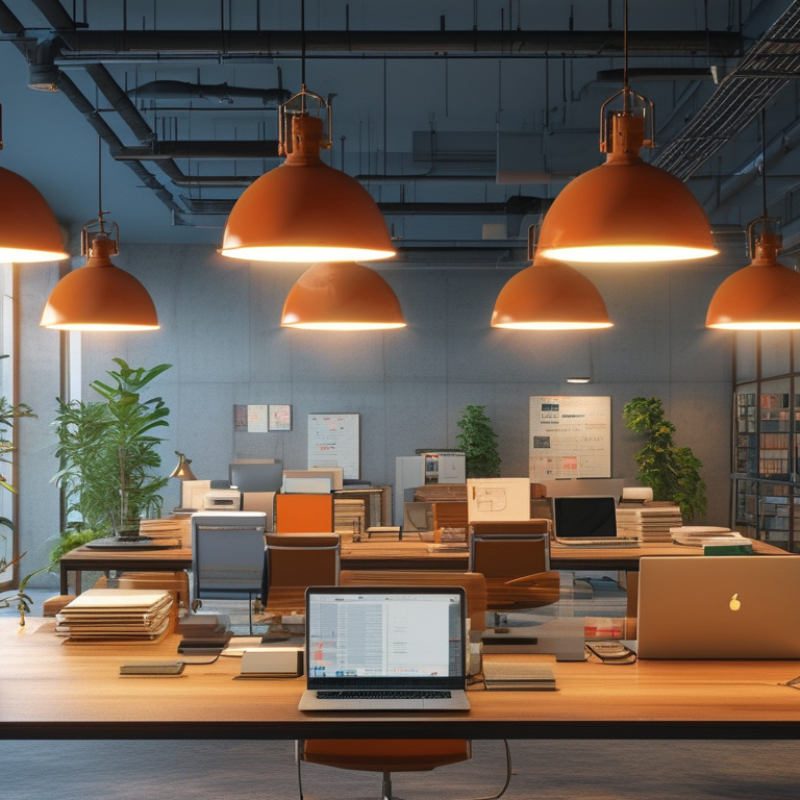
Lighting efficiency plays a crucial role in modern spaces. It influences productivity, mood, and energy consumption. Poorly designed lighting can lead to discomfort and fatigue. Bright, harsh lights might cause strain on the eyes, leading to decreased performance. On the other hand, inadequate lighting can result in safety issues and affect the overall aesthetic of a space.
To evaluate lighting efficiency, one must consider various factors. Natural light availability is vital. It can reduce reliance on artificial sources and cut energy costs. Evaluating the right color temperature also matters. A cooler light can enhance alertness, while warmer tones promote relaxation. Reflective surfaces can amplify light, making spaces feel larger and more inviting.
It's essential to gather feedback from users after implementing lighting changes. This feedback can reveal unforeseen issues. Are certain areas too bright or too dim? Is the ambiance right for the intended use? Continuous assessment of these aspects ensures that lighting remains optimal. Adjustments based on user experience can significantly improve overall satisfaction and efficiency.
Evaluating lighting system performance requires several key metrics. These metrics help in assessing how effectively a lighting system operates. Important factors include energy efficiency, illumination quality, and user satisfaction. Each metric provides a distinct insight into the overall performance.
Energy efficiency is crucial. It indicates how much light is produced per watt consumed. Use a light meter to measure lumen output against wattage. A high lumen-to-watt ratio demonstrates effectiveness. It also points to lower energy costs.
Illumination quality matters, too. This metric looks at how well a space is lit. Even distribution reduces shadows and enhances visibility. Conduct user surveys to gather feedback on comfort and usability. Create a balance between brightness and glare.
Tips: Regularly inspect and clean fixtures. Dust buildup can affect light output. Consider adjusting the color temperature to match the needs of the space. Cooler temperatures boost alertness, while warmer tones foster relaxation. Remember that not all spaces need the same lighting!
Another tip: keep track of usage patterns. Identify areas that may be over or under-lit. Inefficiencies often lie in the details. Each adjustment can drastically impact performance. Reflect on the metrics gathered; they guide improvement.
| Metric | Description | Typical Value | Unit |
|---|---|---|---|
| Luminous Efficacy | Measures the efficiency of a lighting system in converting electrical power into visible light | 80-100 | lm/W |
| Illuminance Level | The amount of light received on a surface area | 300-1000 | lx |
| Color Rendering Index (CRI) | A measure of how accurately a light source displays colors compared to natural light | >80 | Index (0-100) |
| Lifespan | The average duration a lighting system is expected to last before failure | 15,000-50,000 | hours |
| Energy Consumption | The total energy used by the lighting system over a specific period | 100-300 | kWh/month |
Measuring and analyzing lighting quality is essential for optimal efficiency. The Illuminating Engineering Society (IES) emphasizes the role of lighting in productivity and well-being. A study showed that proper lighting can boost worker efficiency by as much as 20%. This underscores the importance of evaluating lighting systems beyond mere visibility.
Techniques for assessing lighting quality include illuminance measurements, color rendering evaluations, and glare assessments. Illuminance, measured in lux, quantifies light levels across workspaces. A target of 300-500 lux is considered ideal for office environments. Additionally, color rendering index (CRI) ratings provide insights into how light affects the appearance of colors. A CRI of 90 or higher is often recommended for settings where color differentiation is crucial.
However, many organizations overlook the nuances of glare. Excessive glare can reduce visual comfort and increase eye strain. Thoughtful design and layout can mitigate glare, yet many spaces fail to address this issue adequately. Regular assessments can identify these shortcomings, paving the way for enhancements that balance efficiency and comfort.
Evaluating lighting system performance is crucial for energy efficiency. Energy consumption can significantly impact operating costs. By analyzing consumption patterns, you can identify where savings can be made. A simple audit can reveal inefficient fixtures or outdated technology.
Look closely at usage hours. Are lights on when not needed? Implementing occupancy sensors can reduce waste. Also, consider the type of bulbs used. LED options often offer better lifespan and lower energy use. Regular maintenance can ensure optimal performance of existing systems, preventing unnecessary spikes in energy consumption.
Monitoring systems can also provide insights. Data analytics can reveal high-consumption periods. This can help in strategizing usage during off-peak hours. Engaging with staff can uncover habitual inefficiencies. Sometimes, the human factor contributes to energy waste. Addressing these issues requires open communication and a willingness to adapt.
Lighting design is crucial for energy efficiency. Well-planned lighting can reduce energy consumption significantly. Consider the layout of spaces. Use layered lighting to enhance both functionality and ambiance. For example, combine ambient, task, and accent lights. This method lets you control brightness effectively.
Regular maintenance is often overlooked. Dust and dirt on fixtures can reduce output. Check fixtures frequently to ensure they are clean. Also, replace burnt-out bulbs promptly. Delaying this can lead to uneven lighting and increased energy use. It's essential to develop a lighting maintenance schedule.
Leverage technology for optimal performance. Use sensors and timers to adjust lighting based on occupancy. Smart systems can adjust intensity and color temperature as needed. However, balance technology with human input. Over-reliance on automation may overlook specific user needs or preferences. Keeping a human touch in lighting design remains vital for creating pleasant environments.
: Lighting efficiency affects productivity, mood, and energy use. Poor lighting can cause discomfort and fatigue.
Natural light reduces the need for artificial lighting, helping to save energy costs.
Cooler light enhances alertness while warmer tones create a relaxed atmosphere, impacting user comfort.
Gathering feedback can help identify areas that are too bright or too dim, leading to necessary adjustments.
Key metrics include energy efficiency, illumination quality, and user satisfaction to gauge overall effectiveness.
Dust can reduce light output. Regular cleaning and timely bulb replacement ensure consistent performance.
Sensors and timers adjust lighting based on occupancy, optimizing energy use and enhancing user experience.
A layered approach, incorporating ambient, task, and accent lighting, allows for better control of brightness.
Inadequate lighting can create safety risks and diminish the aesthetic appeal of a space.
Small changes, like temperature adjustments, can greatly enhance comfort and efficiency, reflecting user needs.
In the quest for optimal efficiency, understanding how to evaluate lighting system performance is essential for modern spaces. This involves recognizing the significance of lighting efficiency and its impact on energy consumption and overall user experience. By employing key metrics, such as lumen output and efficacy, one can assess how well a lighting system meets its intended purpose while minimizing waste.
Additionally, techniques for measuring and analyzing lighting quality play a crucial role in improving performance. Identifying energy consumption and cost savings strategies further enhances this evaluation process, leading to informed decisions about design and maintenance practices. Ultimately, adhering to best practices in lighting design and regular upkeep ensures that systems not only perform efficiently but also contribute to sustainable energy use and cost savings for users.

SMOG Lights