Smart lighting controls can transform your home into a more efficient and enjoyable space. Understanding "How To Integrate Smart Lighting Controls" is crucial for modern homeowners. With the growing demand for energy-efficient solutions, smart lighting offers both convenience and sustainability.
Choosing the right devices can be overwhelming. You may wonder which bulbs or systems are compatible with your current setup. Avoiding common pitfalls, like neglecting to consider your lifestyle, is essential for a successful integration. Think about how you want your lighting to work for you. For example, setting the mood for a movie night or ensuring safety when you arrive home at night.
Effective integration requires knowledge and planning. Research different systems to find what meets your needs. Consulting with experts can help clarify your options. They can guide you in adjusting settings and maximizing energy savings. In addition, remember that technology can sometimes be tricky. It’s okay to encounter challenges while setting up. Embrace learning as part of the process.
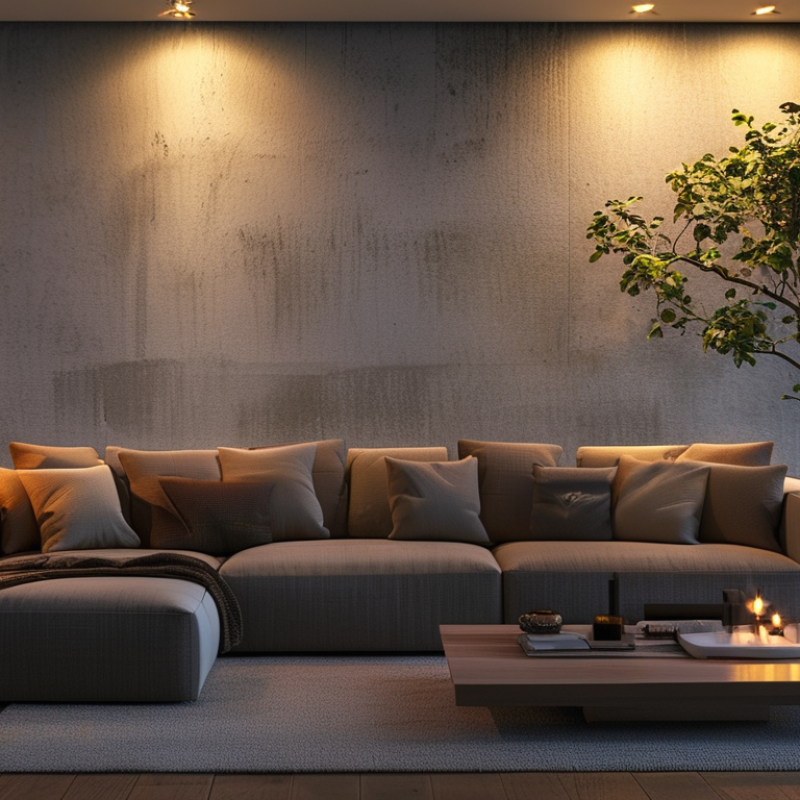
Understanding Smart Lighting: An Overview of Key Concepts
Smart lighting is transforming the way we experience our homes. According to a recent report by the International Energy Agency, homes equipped with smart lighting can reduce energy consumption by up to 20%. This technology allows users to control lighting remotely, schedule when lights turn on or off, and adjust brightness levels. A key concept in smart lighting is connectivity; lights can be linked to smartphones, smart hubs, or voice assistants for easy management.
Understanding smart lighting also involves recognizing the types of controls available. From dimmers to occupancy sensors, various options cater to different preferences. For instance, using motion sensors can enhance security while also saving energy. Yet, integrating these controls may pose challenges. Not all homes have the necessary wiring, and compatibility issues may arise among devices. Maintaining a reliable network connection is vital, as weak signals can lead to intermittent functionality.
Additionally, user experience with smart lighting often requires adjustment. Some individuals may find the initial setup confusing. Despite their advantages, these systems can come with a learning curve. It's essential to consider ongoing support and updates for longevity. By understanding these aspects, homeowners can fully benefit from smart lighting technology, creating an efficient and welcoming environment.
Choosing the Right Smart Lighting Products for Your Home
When choosing smart lighting products for your home, it's essential to consider functionality and compatibility. Various options are available that suit diverse preferences and needs. Smart bulbs can easily replace traditional ones. They enable color changes and dimming options through apps. It's important to assess the size and layout of your space. Some people might want a cozy ambiance, while others may opt for bright, vibrant lights.
Before making a purchase, evaluate the connectivity features. Many smart lights work with voice assistants for convenience. Others offer programmable schedules to enhance energy efficiency. You should reflect on how you envision using your lighting. Will you need automated routines? Or do you prefer manual control? Occasionally, homeowners realize after installation that certain features do not align with their lifestyle.
Researching the right products involves checking for user reviews and expert recommendations. Not all smart lights are created equal; some have limited lifespan or performance issues. Consider looking into warranty options too. Balancing aesthetics, usability, and technology is crucial. Beautiful lighting can transform your home, but practicality should lead your choices.
Setting Up Your Smart Lighting System: A Step-by-Step Guide
Setting up a smart lighting system can seem overwhelming. However, breaking down the process into simple steps makes it manageable. Start by choosing the right type of smart bulbs. Look for bulbs that fit your existing fixtures. Ensure they are compatible with your preferred smart home hub. It’s crucial to double-check compatibility to avoid investment in the wrong products.
Next, install the bulbs in your desired locations. Keep in mind that placement can greatly affect ambiance. Test different areas to find optimal lighting. After installation, download the app associated with your smart system. Follow the prompts carefully to connect devices. It might take a few attempts to get everything working seamlessly.
Once everything is set up, explore customization options within the app. You might feel overwhelmed by the variety of settings available. Don’t rush the process; experiment with various light dimmers and color settings. Remember, gradual adjustments can lead to the perfect atmosphere. Reflect on your preferences as you go. Adjust the system to fit your lifestyle and personal taste. This experience can offer valuable insights, even if it requires some trial and error.
Smart Lighting System Setup Progress
Integrating Smart Lighting with Home Automation Systems
Integrating smart lighting with home automation systems creates a convenient living environment. Imagine coming home to well-lit spaces without flipping any switches. This seamless experience can enhance your daily routine. The key is to focus on compatibility and usability when choosing your smart lighting options. Different systems may have varying connectivity options, which can complicate integration.
When setting up smart lighting, it helps to define specific areas in your home. For example, kitchen lighting might require brighter, cooler tones for cooking. Living room lights could benefit from warmer tones, creating a cozy vibe for relaxation. An automation system that allows scheduling and remote control can be efficient. However, consider potential challenges. Sometimes, smart devices may not sync perfectly, requiring adjustments to ensure a smooth operation.
Ensure your lighting system adheres to the technical requirements of your automation platform. This might sound simple, yet many users face connectivity issues due to overlooked specifications. Regular updates and troubleshooting can improve performance. Customizing scenes and automating responses, like dimming lights at sunset, adds value. However, the process can be frustrating if lights do not respond as expected. Balancing aesthetics and functionality can lead to a rewarding smart home experience.
Troubleshooting Common Issues with Smart Lighting Controls
Troubleshooting smart lighting controls can be challenging. You might experience connectivity issues or unresponsive lights. Often, the problem lies in Wi-Fi connectivity. Ensure your router is functioning well. Rebooting your router can fix many communication issues.
Sometimes, groups of lights won’t synchronize. This could be due to improper grouping in the app. Double-check the settings to verify they match your intended configuration. If the lights flicker, it might indicate a compatibility issue. Some fixtures may not work well with smart bulbs.
Regularly updating your smart lighting app is essential for seamless performance. Outdated software can lead to glitches. If a device stops responding, try resetting the device. This often clears minor bugs. Document your setup and issues for future reference. This can aid in diagnosing persistent problems.
FAQS
: Consider functionality and compatibility with your space. Assess your needs for dimming and color options.
Look for connectivity features. Check if they work with voice assistants or offer programmable schedules.
Verify compatibility before purchase. Measure the fixture size to avoid mismatching products.
Check your Wi-Fi connection. Rebooting your router can often resolve connectivity issues.
Yes, use the app to explore various settings. Take your time to adjust colors and dimmers.
You may experience connectivity issues or flickering lights. These can result from compatibility problems.
Regular updates are essential for performance. Outdated software often leads to glitches.
Ensure your lights are grouped correctly in the app. Check settings for accuracy.
Yes, the process can clarify your preferences. It may require trial and error for the best results.
Yes, keeping a record can help troubleshoot problems. It aids in diagnosing recurring issues effectively.
Conclusion
In the modern era of home automation, "How To Integrate Smart Lighting Controls" is crucial for enhancing convenience and energy efficiency in residential spaces. This article provides readers with a comprehensive overview of smart lighting, detailing key concepts that define this innovative technology. It emphasizes the importance of selecting the right smart lighting products tailored to individual needs, as well as offering a detailed step-by-step guide for setting up a smart lighting system.
Additionally, the article explores the seamless integration of smart lighting with existing home automation systems, ensuring that homeowners can enjoy a cohesive smart home environment. It also addresses common troubleshooting issues that users may encounter, providing practical solutions to ensure a smooth operational experience. Overall, understanding and implementing smart lighting controls can significantly elevate the functionality and ambiance of any home.
 SMOG Lights
