LED Lighting Vs Traditional Lighting Which Is Better for Businesses?

Time:2026-05-16 Author:Isabella
0%

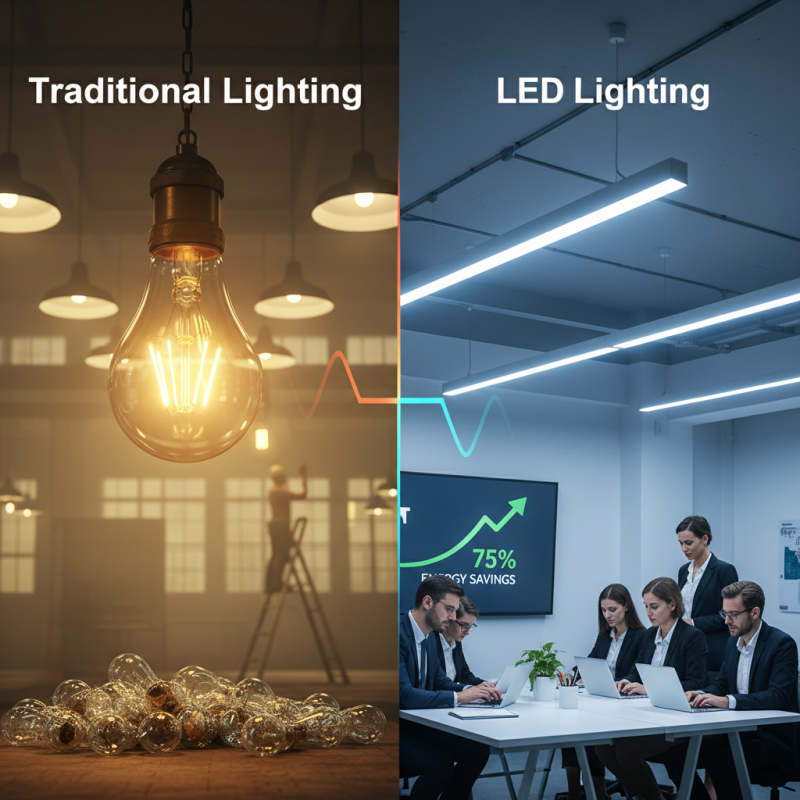
In the ongoing debate surrounding LED Lighting vs Traditional Lighting, businesses face a critical choice. Recent reports show that LED lighting can save up to 75% on energy costs compared to incandescent bulbs. This significant reduction in energy usage translates to increased savings for companies. According to industry expert Dr. Emily Chen, “Switching to LED lighting is not just a trend; it’s a necessary investment for sustainable growth.”

Research from the Department of Energy highlights that LED lights last about 25 times longer than traditional lighting types. This longevity means less frequent replacements, which can disrupt business operations. However, traditional lighting is often less expensive upfront, which can tempt businesses to stick with familiar choices. The LED Lighting vs Traditional Lighting comparison reveals a need for careful consideration beyond initial costs.

Some organizations still hesitate to fully transition to LED technologies, showing a lack of understanding about the long-term benefits. While traditional lighting may seem reliable, its disadvantages become apparent over time. This comparison needs more thorough exploration to encourage businesses to embrace innovation for greater overall efficiency.
LED Lighting Vs Traditional Lighting Which Is Better for Businesses?

LED Lighting: An Overview of Technology and Benefits

LED lighting has revolutionized the way businesses approach illumination. This technology uses semiconductor diodes to produce light. Unlike traditional bulbs, LEDs consume significantly less energy. They can reduce energy bills, benefiting the bottom line.

In addition to energy efficiency, LEDs offer longer lifespan. A typical LED can last up to 25,000 hours. This means fewer replacements are needed. However, businesses must consider initial costs. LEDs can be more expensive to install upfront. This might deter some owners. Yet, the long-term savings often outweigh this investment.

LED lighting also provides better color quality. It enhances visibility and improves overall ambiance. This can positively impact employee productivity and customer experience. However, not all LEDs are created equal. Some may emit harsh light or poor quality. Businesses should research options carefully. Finding the right balance is essential for getting the most benefit.

Traditional Lighting: Common Types and Characteristics

Traditional lighting plays a significant role in many businesses. Common types include incandescent, fluorescent, and halogen bulbs. Incandescent bulbs offer warm light but consume more energy. They have a short lifespan, typically lasting around 1,000 hours. This can lead to frequent replacements, raising costs over time.

Fluorescent bulbs are a popular alternative. They are energy-efficient and last longer, up to 15,000 hours. However, they can flicker and may not provide consistent brightness. Halogen bulbs are a type of incandescent but are more efficient. They offer brighter light and a longer lifespan, which can be appealing for businesses needing reliable illumination.

While traditional lighting has its advantages, it may not meet all business needs. The initial installation costs can be high, and energy consumption remains a concern. Businesses should weigh these factors against the benefits. Proper lighting choice can impact worker productivity and customer experience. It’s essential for businesses to evaluate their specific requirements carefully.

Energy Efficiency Comparison: LED vs Traditional Lighting

LED lighting has gained popularity in recent years, especially for businesses. Its energy efficiency is a significant factor. When comparing energy consumption, LED lights use up to 75% less energy than traditional lighting options. This results in lower electricity bills, which is crucial for businesses aiming to reduce operational costs.

On the other hand, traditional lighting, such as incandescent bulbs, tends to consume more energy. These bulbs require frequent replacements due to shorter lifespans. Although they may initially seem cheaper, the long-term costs can accumulate significantly. Businesses may overlook this when planning budgets, but it's essential to consider hidden expenses.

Moreover, LED lighting is not just about savings. It also provides better light quality and can enhance the working environment. However, switching to LED can require upfront investments. Some businesses might hesitate to transition due to this initial cost. Reflecting on energy choices is crucial. Are you truly considering the long-term impact on both finances and the environment? This question deserves attention and careful thought.

Cost Analysis: Initial Investments and Long-term Savings

When analyzing the costs of LED lighting versus traditional lighting, initial investments are a key factor. LED lights tend to have a higher upfront cost. This can, at first glance, deter businesses from making the switch. However, the long-term savings often outweigh initial expenses.

LED lighting can last up to 25,000 hours or more, significantly longer than traditional bulbs. This longevity reduces replacement costs and labor expenses. Additionally, LED lights are more energy-efficient, consuming about 75% less power. This translates into lower electricity bills over time, creating substantial savings.

However, businesses must consider the quality of lighting. Not all LED products deliver the same level of brightness or color accuracy. There is variability in quality among manufacturers. It’s crucial to conduct thorough research and select widely recognized options. While the potential for savings is immense, businesses should reflect on their unique lighting needs to make the best decision.

Impact on Business Productivity and Aesthetics: A Comparative Study

In recent years, businesses are reassessing their lighting options, weighing LED against traditional lighting. A study found that LED lighting can improve productivity by up to 30%. This substantial boost is attributed to enhanced visibility and reduced eye strain for employees. In contrast, traditional lighting can cause fatigue and discomfort, affecting the overall work atmosphere.

Aesthetic appeal also plays a critical role in lighting choices. LED lights can create a modern look, which many businesses find attractive. They offer a variety of color temperatures that can enhance mood and focus. A report by the National Institute of Building Sciences indicates that well-lit environments can enhance employee satisfaction by 25%. However, the initial investment for LED systems is higher, which can be a barrier for some small businesses.

Despite their advantages, LEDs have limitations. Some might not find the light quality warm enough for all settings. This is a crucial consideration for businesses focused on creating a welcoming environment. Traditional options might blend better in older spaces, even if they lack efficiency. Each choice has distinct benefits and drawbacks that must be carefully weighed in the context of specific business needs.

FAQS

: What is LED lighting?

: LED lighting uses semiconductor diodes to produce light. It's energy-efficient and lasts significantly longer than traditional bulbs.

How long do LEDs typically last?

A typical LED can last up to 25,000 hours. This reduces the need for frequent replacements, saving time and money.

Are LED lights more expensive to install than traditional bulbs?

Yes, LEDs usually have a higher upfront cost. However, long-term savings can outweigh this initial investment.

How do LED lights affect employee productivity?

LED lighting can improve productivity by up to 30%. Enhanced visibility and reduced eye strain contribute to this increase.

Can all LEDs produce good quality light?

Not all LEDs are equal. Some may emit harsh light. Researching options is essential to ensure good quality and performance.

What aesthetic benefits do LED lights offer?

LEDs can create a modern look with various color temperatures. This can enhance mood and focus in workspaces.

Do traditional bulbs have any advantages over LEDs?

Yes, traditional bulbs may provide a warmer light quality in certain settings. This can be important for creating a welcoming atmosphere.

Why might some businesses hesitate to switch to LED lighting?

The higher initial costs can be a barrier. Some small businesses may find it hard to justify the investment at first.

How do LED lights impact electricity bills?

LED lights are more energy-efficient, consuming about 75% less power. This leads to lower electricity bills over time.

What should businesses consider when choosing lighting?

Each business has unique needs. It's crucial to weigh the benefits and drawbacks of both LED and traditional options carefully.

Conclusion

In the "LED Lighting Vs Traditional Lighting Comparison," the article delves into the technological advancements and advantages of LED lighting over traditional lighting methods. It begins with an overview of LED technology and highlights its numerous benefits, such as longer lifespan, reduced heat output, and lower energy consumption. In contrast, the section on traditional lighting outlines common types like incandescent and fluorescent bulbs, along with their characteristics and limitations.

The energy efficiency comparison reveals that LED lighting significantly outperforms traditional options, leading to substantial cost savings over time. The analysis also considers initial investment costs versus long-term savings, making a strong case for LED as a financially sound choice for businesses. Finally, the impact of lighting on business productivity and aesthetics is explored, illustrating how the right lighting can enhance work environments and improve employee morale. Overall, the article presents a compelling argument favoring LED lighting in the modern business landscape.

Isabella

Isabella

Isabella is a dedicated marketing professional with a sharp focus on driving brand growth and engagement through strategic content creation. With an extensive background in digital marketing, she combines her passion for storytelling with her keen understanding of industry trends to deliver......