 SMOG Lights
Sustainable Lighting Options For Buildings to Reduce Energy Costs?
In recent years, the quest for energy efficiency has led to an increasing interest in Sustainable Lighting Options For Buildings. According to the U.S. Department of Energy, lighting accounts for about 15% of total energy use in commercial buildings. This significant percentage makes lighting an ideal target for energy-saving initiatives. Implementing sustainable solutions can reduce energy costs dramatically while promoting environmental stewardship.
LED technology has emerged as a preferred choice for sustainable lighting. A report by the International Energy Agency states that LED lights can reduce energy consumption by up to 75% compared to traditional incandescent bulbs. However, the initial investment can be a barrier for many. Furthermore, the efficacy of different lighting options can vary, leading to both overestimations and underestimations in potential savings.
Building designers often overlook integrated lighting solutions that combine natural and artificial sources. This oversight can result in buildings relying too heavily on electricity. Identifying the right balance is essential for maximizing the benefits of Sustainable Lighting Options For Buildings. Continued education and awareness within this industry can drive commitment towards better choices and improved practices.
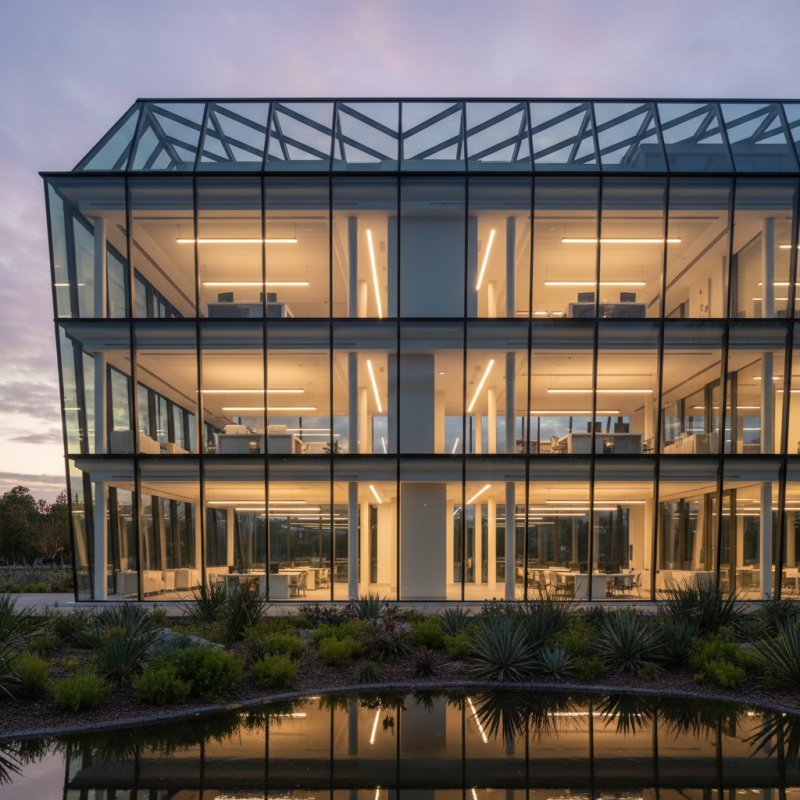
Overview of Sustainable Lighting Technologies for Buildings
Sustainable lighting technologies play a crucial role in reducing energy costs for buildings. LED lighting systems are at the forefront of this movement. According to the U.S. Department of Energy, LED lighting can reduce energy consumption by up to 75% compared to traditional incandescent bulbs. This significant drop in energy usage contributes to lower utility bills and a smaller carbon footprint.
Moreover, smart lighting systems enhance efficiency further. These systems utilize sensors and timers to adjust lighting based on occupancy and natural light levels. A study by McKinsey & Company found that buildings equipped with smart lighting can save 30-60% in energy costs. However, implementing these technologies requires an upfront investment. Not all property owners are ready to make that commitment.
While these advancements present exciting possibilities, they are not without challenges. Many buildings may face retrofit difficulties, especially older structures. Additionally, the initial costs of installation can deter decision-makers. It is essential for stakeholders to weigh the long-term savings against the upfront investment. This ongoing reflection can lead to better choices for sustainable lighting solutions. The path to energy efficiency holds promise but demands careful consideration.
Sustainable Lighting Options For Buildings to Reduce Energy Costs
| Lighting Technology | Energy Efficiency (%) | Lifespan (Hours) | Initial Cost ($) | Maintenance Cost ($/Year) |
|---|---|---|---|---|
| LED | 80% | 25,000 | 15 | 5 |
| CFL | 75% | 10,000 | 10 | 8 |
| Halogen | 20% | 2,000 | 5 | 10 |
| Incandescent | 10% | 1,000 | 1 | 15 |
| Smart Lighting | 70% | 20,000 | 25 | 12 |
FAQS
: Sustainable lighting technologies aim to reduce energy costs and environmental impact in buildings.
LED lighting can reduce energy consumption by up to 75% compared to traditional bulbs.
Smart lighting systems use sensors to adjust lighting based on occupancy and daylight, enhancing efficiency.
Buildings with smart lighting can save between 30-60% on energy costs.
The initial investment costs can deter property owners, despite potential long-term savings.
Retrofit difficulties in older buildings can complicate the implementation of sustainable lighting systems.
Training teams about efficient system installation and maintenance is essential for success.
Regular assessments can identify issues like glare or insufficient lighting, ensuring ongoing efficiency.
One commercial building saw a 50% reduction in energy bills after upgrading to LED lighting.
Motion sensors can automatically turn off lights in low-traffic areas, saving energy.
Conclusion
Sustainable Lighting Options For Buildings are increasingly recognized as essential for reducing energy costs while promoting environmental sustainability. This article explores various sustainable lighting technologies, highlighting the benefits of energy-efficient solutions, such as lower utility bills and reduced carbon footprints. A comparative analysis of LED versus traditional lighting outlines the distinct advantages of LEDs, including their longevity and lower energy consumption.
Furthermore, the article discusses effective strategies for incorporating sustainable lighting in new construction projects, ensuring that buildings not only meet contemporary energy standards but also harness advanced technologies to create brighter and more efficient spaces. Through various case studies, we see practical applications of these strategies, showcasing notable successes in energy cost reduction achieved through the implementation of innovative lighting solutions.
