Choosing a durable fixture is not simply a matter of selecting thick metal or a premium price tag. How To Choose Durable Lighting Fixtures begins with understanding heat, moisture, vibration, cleaning routines, and daily operating hours. A hallway fixture switched on twelve hours daily faces different stress from a bathroom fitting exposed to steam.
The U.S. Department of Energy reports that quality LED products can deliver long service lives, often reaching 25,000 to 50,000 hours under stated conditions. ENERGY STAR also notes that certified LED bulbs use up to 90% less energy and last up to 15 times longer than incandescent bulbs. These figures are useful, but they are not guarantees. Poor ventilation can shorten an LED driver’s life. Dust can trap heat around a sealed housing.
Naomi Miller, FIES, LC, a respected lighting scientist associated with Pacific Northwest National Laboratory, offers a practical reminder: “Evaluate the whole lighting system, not only the lamp.” Her point matters because the driver, housing, lens, seals, and mounting hardware can fail before the LED itself. Look for tested performance, appropriate ingress protection, replaceable components, and clear warranty terms. IES LM-80 and TM-21 data can help assess LED lumen maintenance, although they require careful interpretation. Not every product label is equally transparent. That is the uncomfortable part. A fixture may appear rugged in a showroom, yet perform poorly above a hot ceiling or beside coastal salt air. Reliable selection requires evidence, realistic conditions, and a willingness to question attractive claims.
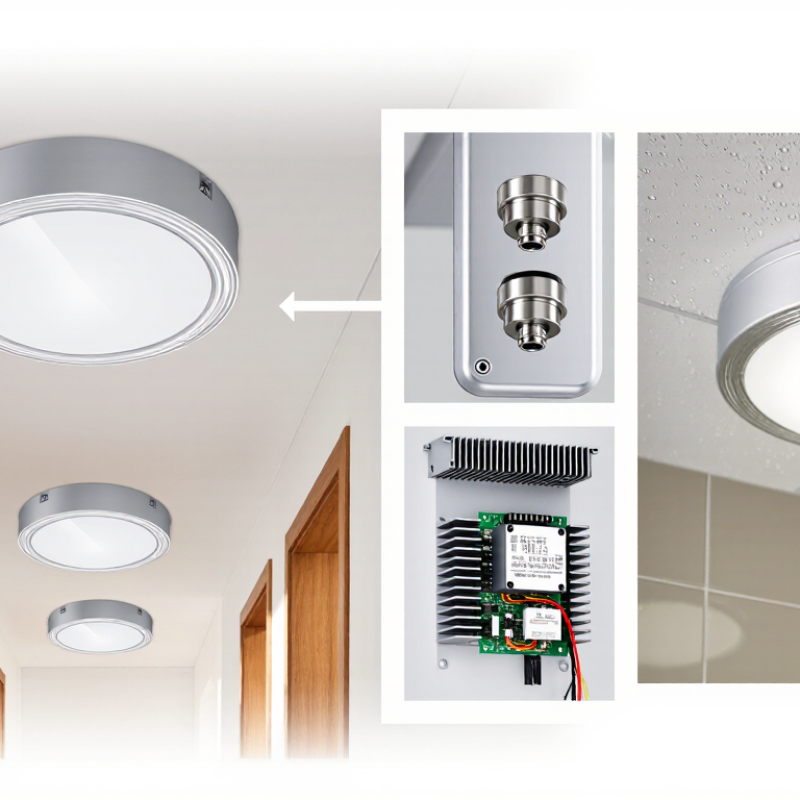
Top Tips for Choosing Durable Lighting Fixtures
Define durability by material, construction, and expected lifespan. A fixture should match its environment, not just its appearance. In humid rooms, powder-coated aluminum, stainless steel, or sealed plastics usually resist corrosion better than untreated metal. Outdoor fixtures need protection from rain, dust, and ultraviolet exposure. Check the stated IP rating before installation. It offers useful evidence, but it does not replace careful inspection.
Construction reveals how well a fixture may survive daily use. Examine the joints, lens, socket, wiring, and mounting hardware. Tight seams help prevent moisture and dust from entering. Thick lenses are less likely to crack during cleaning or accidental contact. Solid connectors also reduce flickering caused by loose parts. Look closely. A lightweight body is not automatically weak, but excessive flexing deserves caution.
Expected lifespan should include more than the lamp’s advertised hours. Heat management, driver quality, switching frequency, and operating temperature all affect performance. An LED may last for years, while its driver fails much earlier. Ask whether replacement parts are available and whether the fixture can be serviced safely. Installation matters too; poor ventilation can shorten its useful life. I have learned that attractive fixtures sometimes hide fragile hardware. That judgment can be imperfect, so compare specifications with warranty terms and independent testing. A realistic lifespan estimate should reflect actual conditions, not ideal laboratory use.
Top Tips for Choosing Durable Lighting Fixtures
Match each fixture to the room’s actual conditions, not just its appearance. A bathroom needs moisture-resistant construction and sealed connections. A kitchen benefits from easy-clean surfaces and strong task lighting. In a hallway, a low-profile design can prevent accidental impacts. I once underestimated how quickly cooking grease would coat a textured shade. Smooth glass would have been a wiser choice.
Tips: Check moisture ratings, heat tolerance, mounting space, and access for maintenance. Measure the ceiling box before ordering. Confirm that the fixture suits the room’s humidity and temperature. Follow local electrical codes and use a qualified electrician when wiring is unfamiliar.
Installation requirements can decide whether a durable fixture performs well. Heavy ceiling lights need secure support, not just decorative screws. Recessed fixtures require enough ceiling clearance and proper insulation spacing. Outdoor installations need weather-resistant housings and protected cable entries. Before installation, inspect the junction box, switch location, and available circuit capacity. These details are easy to overlook. They can create loose fittings, flickering, or premature failure. I also prefer replaceable components, although they may cost more initially. A beautiful fixture is not durable if cleaning requires dismantling half the ceiling.
| Room or Installation Condition | Recommended Fixture Design | Key Durability Requirements | Installation Checks | Practical Maintenance Tip |
|---|---|---|---|---|
| Dry living areas Bedrooms, lounges, offices |
Enclosed or semi-enclosed fixtures with corrosion-resistant finishes and replaceable light sources where practical. | Choose materials suited to indoor use, secure diffusers, stable mounting hardware, and heat-resistant components. | Confirm that the ceiling or wall box can support the fixture weight. Keep ventilation openings unobstructed. | Dust shades, lenses, and heat vents regularly to reduce heat buildup and maintain light output. |
| Kitchens and utility rooms Grease, steam, and frequent cleaning |
Sealed, smooth-surface fixtures that limit dirt accumulation and allow easy access for cleaning. | Use finishes and gaskets that tolerate moisture and common household cleaning conditions. Avoid exposed absorbent materials. | Keep the fixture away from direct water spray unless its ingress protection rating is suitable for that exposure. | Switch off power before cleaning and use only cleaning agents permitted by the fixture manufacturer. |
| Bathroom or shower area High humidity and water exposure |
Fully enclosed fixtures selected according to the location within the bathroom and the expected water exposure. | Use an appropriate IP rating. The first digit addresses solid-particle protection; the second digit addresses water protection. | Follow local electrical rules for bathroom zones, separation distances, grounding, and residual-current protection. Installation should be performed by a qualified electrician. | Inspect seals, cable entries, and visible corrosion periodically. Replace damaged gaskets promptly. |
| Covered outdoor area Rain, condensation, and temperature changes |
Weather-resistant, gasketed fixtures with corrosion-resistant hardware and drainage provisions where designed by the manufacturer. | Typically IP44 or higher Use a higher rating when the fixture may receive water jets, heavy rain, or wind-driven moisture. |
Seal cable entries correctly, provide a drip loop where appropriate, and mount the fixture so water cannot collect around openings. | Remove dirt and leaves from drainage paths and check for cracked lenses, loose seals, or rust. |
| Exposed outdoor location Direct rain, snow, dust, or coastal air |
Robust, fully enclosed fixtures with UV-resistant lenses, corrosion-resistant fasteners, and finishes designed for exterior use. | Often IP65 or higher Select the rating based on the actual exposure; IP ratings do not by themselves indicate resistance to salt air or impact. |
Use compatible mounting surfaces and cable glands. In coastal areas, verify additional resistance to salt corrosion and rinse accumulated salt when appropriate. | Inspect fasteners, seals, lenses, and electrical connections at least annually or more often in severe environments. |
| Dusty workshop or garage Particles, vibration, and accidental impact |
Enclosed fixtures with impact-resistant lenses, protected wiring, and sturdy brackets or surface mounts. | Consider both an IP rating for dust and a separate impact-resistance rating where specified. Avoid fragile glass in exposed positions. | Anchor the fixture to a sound structure, allow safe clearance from machinery, and protect wiring from abrasion and moving equipment. | Clean accumulated dust from the housing and cooling surfaces after isolating the power supply. |
| High-ceiling or hard-to-reach location | Long-life LED fixtures or designs with accessible, replaceable components and reliable thermal management. | Prioritize rated service life, driver quality, heat dissipation, and a construction that minimizes frequent servicing. | Provide a safe maintenance method, such as suitable access equipment. Confirm that emergency lighting requirements are met where applicable. | Plan inspections and cleaning intervals before installation; record the model and electrical specifications for future replacement. |
| Vibration-prone area Near doors, fans, or machinery |
Compact fixtures with locking fasteners, reinforced mounting points, and vibration-resistant electrical connections. | Use components rated for the expected vibration environment. Avoid unsupported heavy shades or loosely fitted diffusers. | Check that mounting screws, junction boxes, and cable restraints are suitable for vibration. Do not rely on adhesive alone for structural support. | Include fastener tightness and diffuser security in routine inspections. |
| Low-temperature area Unheated storage, cold rooms, or exterior winter use |
Fixtures and LED drivers specifically rated for the expected minimum ambient temperature. | Confirm the operating temperature range, starting performance, condensation resistance, and compatibility of seals and plastics. | Prevent condensation from entering the housing. Use wiring and junction components rated for the surrounding temperature. | Inspect for moisture, brittle materials, and changes in light output after seasonal temperature changes. |
| High-temperature area Near ovens, heaters, or enclosed ceilings |
Fixtures with heat-resistant components, adequate ventilation, and a driver located within its permitted temperature range. | Check the maximum ambient temperature and required clearance from heat sources. Excessive heat can shorten LED and driver life. | Do not cover ventilation openings or install insulation against a fixture unless the fixture is specifically approved for that application. | Remove dust from vents and investigate flickering, discoloration, or abnormal heat before continued use. |
| Recessed ceiling installation | Recessed fixtures with suitable insulation-contact classification, airtight construction where required, and accessible drivers. | Verify fire, thermal, and insulation requirements for the ceiling assembly. Use the correct trim and gasket for the opening. | Check cut-out dimensions, clearance, junction-box access, and whether the fixture is approved for direct contact with insulation. | Keep the surrounding area free from unauthorized coverings and inspect for overheating or discoloration. |
| High-use commercial or public area | Heavy-duty fixtures with tamper-resistant components, impact-resistant lenses, and standardized replacement parts. | Consider operating hours, impact exposure, cleaning frequency, emergency-lighting obligations, and availability of spare components. | Confirm load capacity, circuit protection, emergency egress requirements, and compliance with applicable local electrical and building codes. | Use a documented inspection schedule and replace damaged diffusers, lenses, seals, or mounting hardware immediately. |
General guidance: IP ratings are defined by IEC 60529 and should be selected for the actual exposure. Always follow the fixture’s installation instructions and applicable local electrical, fire, building, and workplace-safety requirements.
Top Tips for Choosing Durable Lighting Fixtures
Start with the light source, not the decorative housing. The U.S. Department of Energy reports that LED products use at least 75% less energy than incandescent lamps. They can also last up to 25 times longer. However, rated life can mislead when fixtures operate near ovens, boilers, or enclosed ceilings. Check the temperature rating and lumen maintenance data. A warm, flickering lamp is warning evidence, not a minor annoyance.
Inspect the electrical components carefully. A reliable fixture should include a properly matched driver, secure terminals, strain relief, and heat-resistant insulation. Ask for documented testing against recognized electrical safety standards. The driver deserves special attention because failed capacitors often cause buzzing, delayed starting, or sudden shutdowns. Look for a stated power factor above 0.9 in commercial applications. It reduces wasted current and supports steadier operation. Small details matter.
Energy efficiency also includes controls and maintenance. The International Energy Agency has reported that lighting represents about 15% of global electricity consumption, so efficient operation has measurable impact. Choose dimming, occupancy sensing, or daylight response only when the control system matches the installation. More features can create more failure points. That is easy to overlook. Review the warranty, replacement-part availability, and photometric test reports before purchasing. A fixture that saves energy but needs frequent replacement may not be the durable choice. My own assessment would remain cautious: laboratory figures rarely reproduce dust, voltage variation, and daily switching.
This chart compares typical service life and luminous efficacy for common light sources. LED lighting generally offers the longest lifespan and highest efficiency, while incandescent and halogen sources typically require more frequent replacement and use more electricity for the same light output.
Safety certifications should be your first practical check. Look for marks from recognized testing bodies in your country. Confirm the fixture’s voltage, heat rating, and installation requirements. A certification mark is useful, but it is not a guarantee of perfect performance. Check whether the marking appears on the fixture, not only on its packaging. I once overlooked this detail and had to return a poorly documented ceiling light.
Tips: Keep a photo of the certification label and instruction sheet. This helps electricians verify compatibility later. Avoid fixtures with unclear wiring diagrams or missing safety information. Professional installation matters, especially in bathrooms, kitchens, and outdoor areas. Moisture can expose weak seals quickly.
Maintenance needs often reveal long-term quality. Choose smooth surfaces that collect less dust. Check whether the diffuser, bulb, or driver can be removed without damaging the housing. Integrated LED fixtures may use less energy, but some require full replacement after failure. That can become expensive and wasteful. Ask about expected service life under normal use, not just laboratory conditions. Inspect mounting screws, seals, and cable connections during routine cleaning. Do not spray cleaner directly onto electrical parts.
Tips: Ask about replacement bulbs, drivers, shades, and spare fasteners before purchasing. Record the model number in your home files. Replacement parts may disappear from stores within a few years. I have learned that a slightly plain fixture with available parts can outlast a fashionable, sealed design. Durability is not only about strong metal; it also depends on repair access and clear documentation.
Durable lighting fixtures should be judged by warranty coverage, total cost, and measured performance. A five-year warranty sounds strong, but check what it covers. Some warranties exclude labor, installation, moisture, or unusually frequent switching. Ask for the written terms, replacement process, and proof requirements. The U.S. Department of Energy notes that LED products can deliver major energy savings, but actual results depend on controls, heat management, and operating hours.
Tip: Compare total ownership cost, not only the purchase price. ENERGY STAR reports that certified LED lighting uses at least 75% less energy and can last up to 25 times longer than incandescent lighting. Still, a cheaper fixture may contain weaker drivers or limited replacement support. Calculate energy use, maintenance visits, replacement parts, and disposal costs over ten years. I once overlooked driver replacement costs. That changed my buying checklist.
Long-term claims need evidence. Look for LM-80 test data and TM-21 projections for LED lumen maintenance. These documents indicate how light output may decline over time, rather than promising permanent brightness. The Illuminating Engineering Society identifies these methods as important tools for evaluating LED performance. Also check the rated temperature range and ingress protection rating for damp locations. A fixture installed near a steamy bathroom may fail earlier than one in a dry hallway. Performance is never perfectly predictable. Installation quality matters, too. Review independent test reports, warranty exclusions, and service availability before choosing.
LED sources generally use much less energy than incandescent lamps. They can also last far longer. Appearance is not performance.
No. Heat near ovens, boilers, or enclosed ceilings can shorten its working life. Check temperature ratings and lumen maintenance data. A warm, flickering lamp needs attention.
Look for a matched driver, secure terminals, strain relief, and heat-resistant insulation. The driver can cause buzzing, delayed starting, or sudden shutdowns. Small details matter.
A stated power factor above 0.9 is generally preferable for commercial applications. It can reduce wasted current and support steadier operation. Documentation still matters.
Use them only when they match the installation. Extra controls may save energy, but they also add failure points. More features are not always better.
Look for a recognized safety mark in your country. Confirm the voltage, heat rating, and installation requirements. Check it physically. Keep a photo of the label and instructions.
Choose smooth surfaces that collect less dust. Check whether the diffuser, bulb, or driver can be removed safely. Do not spray cleaner onto electrical parts.
Ask about bulbs, drivers, shades, and spare fasteners. Record the model number in your home files. Parts may disappear from stores within a few years.
Not necessarily. Some require complete replacement after one component fails. A plain fixture with accessible parts may last longer. I would remain cautious about laboratory lifespan figures. Daily switching, dust, and voltage variation can change everything.
How To Choose Durable Lighting Fixtures begins with understanding how durability is shaped by materials, construction quality, and expected lifespan. Choose fixtures made from strong, suitable materials and inspect their joints, finishes, wiring, and mounting components. The design should also match the room’s conditions, such as humidity, heat, dust, or frequent use, while fitting the available space and installation requirements.
Next, evaluate the light source, electrical components, energy efficiency, and ease of maintenance. Reliable components can improve performance and reduce replacement frequency, while accessible parts make cleaning and repairs simpler. Check for recognized safety certifications and confirm whether replacement bulbs, drivers, or other components are readily available. Finally, compare warranty coverage, purchase and installation costs, and projected long-term performance. A fixture with a slightly higher initial price may offer better value if it lasts longer, uses less energy, requires fewer repairs, and continues to provide safe, consistent lighting.

SMOG Lights