10 Tips to Cut Your Electricity Bill with Better Lighting?

Time:2026-05-22 Author:Sophia
0%

Reducing electricity costs is a common concern for many homeowners. One effective method is through better lighting choices. This article explores how to reduce electricity costs with lighting by implementing smart strategies.

Choosing the right bulbs can significantly impact your bill. LED bulbs, for example, use up to 75% less energy than incandescent options. Additionally, using dimmers or timers enhances efficiency. Reflective surfaces can boost natural light, reducing reliance on artificial sources.

However, it is essential to evaluate your current usage. Many people overlook how habits affect energy bills. Small changes in daily routines can lead to savings. Be mindful of leaving lights on unnecessarily. Reflect on your lighting setup and find areas to improve. With mindful adjustments, you can achieve substantial savings while enhancing your home's ambiance.
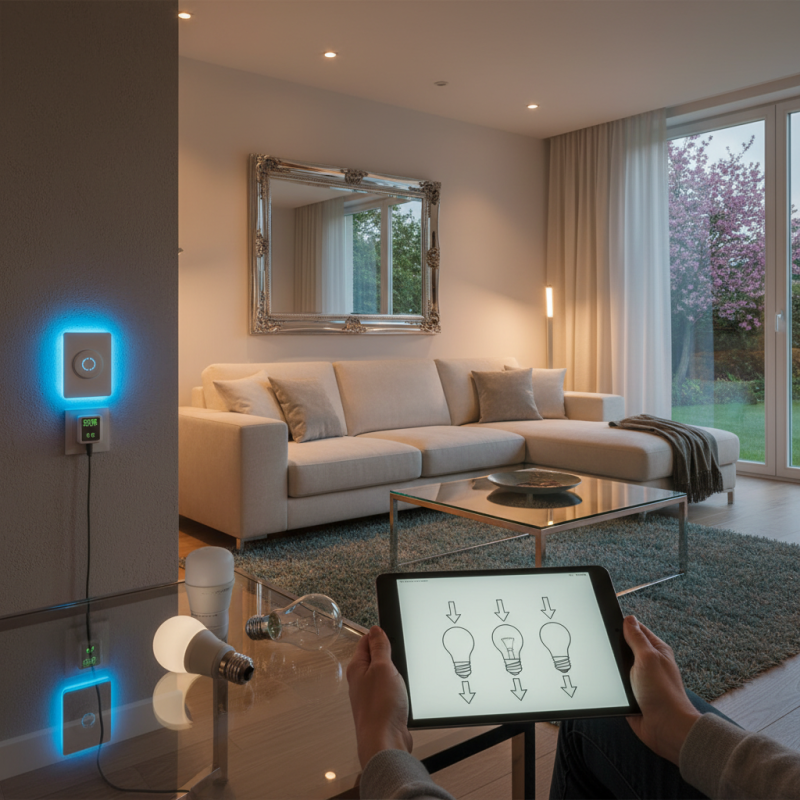
10 Tips to Cut Your Electricity Bill with Better Lighting?

Benefits of Energy-Efficient Lighting Options

Energy-efficient lighting options can significantly reduce your electricity bill while enhancing your home environment. These lights use less power without sacrificing brightness. For instance, LED bulbs consume about 75% less energy than traditional incandescent bulbs. This means lower energy usage and extended bulb life, translating to fewer replacements and further costs saved.


Switching to energy-efficient lighting is also an eco-friendly choice. These options produce less heat, which can reduce your cooling costs. Additionally, they minimize greenhouse gas emissions associated with electricity generation. However, it's essential to consider the initial investment in these technologies, as they may cost more upfront. Still, the long-term savings often outweigh these initial expenses.


Choosing the right lighting can be a bit overwhelming. Not all energy-efficient bulbs are created equal, and some may not provide the desired warmth or color. A little research can help you find the best fit for your space. Don't rush the process; take the time to explore options that suit your lifestyle and budget. This thoughtful approach can enhance your home's ambiance while saving you money over time.

Understanding Different Types of Light Bulbs

When it comes to reducing your electricity bill, understanding different types of light bulbs is essential. There are several options available, each with unique characteristics and energy efficiencies. Incandescent bulbs are commonly used but are energy hogs. They convert most energy into heat rather than light. Their short lifespan means frequent replacements, leading to more waste.


Compact fluorescent lamps (CFLs) are a better choice. They consume around 75% less energy and last up to 10 times longer than incandescents. However, CFLs contain a small amount of mercury, which makes disposal tricky. You need to be careful about where and how you recycle them.


LED bulbs are another viable option. They are the most energy-efficient and can last for years. Yet, they tend to have a higher upfront cost, which may deter some consumers.


Choosing the right bulb can be overwhelming. It’s important to consider wattage and lumens for brightness. A higher lumen output means brighter light, which is still achievable with lower wattage. This can lead to significant savings on your energy bill. Experimenting with different types might reveal preferences or drawbacks you hadn’t considered before. Each type of bulb has its pros and cons, making it vital to choose wisely based on your unique needs.

Practical Tips for Using Natural Light in Your Home

Maximizing natural light in your home can significantly reduce your electricity bill. Start by choosing light, sheer curtains for your windows. They allow sunlight to filter in while maintaining privacy. Position mirrors strategically to reflect light deeper into your rooms. This simple trick can make spaces feel brighter and more inviting.

Consider the orientation of your home. South-facing windows receive the most sunlight throughout the day. You might find it helpful to keep these areas free of heavy furniture. Cleaning windows regularly improves light transmission. Even dirt can block substantial sunlight, affecting your home’s brightness.

Use complementary colors for walls and furnishings. Light colors will bounce light around, while dark colors absorb it. Experiment with different shades to discover what works best in your space. Natural light varies throughout the day, so embrace this change. Consider adapting your room layout to maximize sunlight at different times. Take a moment to reflect on how you interact with light in your daily life.

Smart Lighting Solutions for Energy Savings

Smart lighting solutions can significantly reduce your electricity bill while enhancing your home’s ambiance. One effective way is to switch to LED bulbs. They consume up to 80% less energy than traditional incandescent bulbs. Also, consider using smart bulbs that adjust brightness based on your needs. By dimming lights during evenings, you not only save power but also create a warm, inviting atmosphere.

Implementing motion sensors is another great idea. They ensure lights turn on only when needed. This small change can lead to noticeable savings. However, be mindful of their placement. Poor positioning may result in lights flickering on and off unnecessarily. It's also beneficial to use natural light whenever possible. Keeping blinds open during the day can illuminate rooms without consuming extra electricity. While it might seem small, each step contributes to substantial energy savings over time. Reflecting on our lighting habits is essential for achieving this goal effectively.

Effective Strategies for Managing Lighting Usage

Managing lighting usage effectively can lead to significant savings on your electricity bill. Start by evaluating your current light sources. Are they energy-efficient? Switching to LED bulbs is a great option. They consume less power and last longer than traditional bulbs. This change reduces both energy usage and replacement costs.

Another simple strategy involves utilizing natural light. Open curtains and blinds during the day. Sunlight can illuminate your space, reducing reliance on electric lights. It's a free resource that can brighten your home without costing a dime.

Consider installing dimmers or motion sensors. Dimmers allow you to adjust brightness based on need. This can enhance mood and save energy. Motion sensors ensure lights are only on when needed. Remember, turning off lights in unoccupied rooms is a must. Each simple action contributes to a lower bill. Reflect on your habits; small changes can lead to big savings.

FAQS

: What are the benefits of energy-efficient lighting?

: Energy-efficient lighting reduces electricity bills and enhances your home environment. They consume less power without sacrificing brightness.

How much energy do LED bulbs use compared to traditional bulbs?

LED bulbs use about 75% less energy than traditional incandescent bulbs. This leads to lower energy costs and fewer replacements.

Is switching to energy-efficient lighting eco-friendly?

Yes, energy-efficient lighting produces less heat and minimizes greenhouse gas emissions. It's a better choice for the environment.

What should I consider before buying energy-efficient bulbs?

Not all bulbs are the same. Research options to find the right warmth and color for your space. Don't rush your decision.

How can I maximize natural light in my home?

Use light curtains and position mirrors to reflect light. Keep south-facing windows clear to let in more sunlight.

Why is it crucial to keep windows clean for natural light?

Dirt on windows can block sunlight, affecting brightness. Regular cleaning improves light transmission significantly.

What are smart lighting solutions?

Smart lighting solutions include LED bulbs and motion sensors. They can adjust brightness and power usage based on your needs.

How do motion sensors help save energy?

Motion sensors turn lights on only when needed. Proper placement is essential to avoid unnecessary flickering.

How can I adapt my room to maximize sunlight?

Experiment with room layouts and color choices. Light colors reflect sunlight while dark colors absorb it.

Why is it important to reflect on lighting habits?

Reflecting on lighting habits helps identify ways to enhance energy savings. Small steps can lead to significant reductions over time.

Conclusion

In today's world, knowing how to reduce electricity costs with lighting is essential for both budget and environmental reasons. One effective approach is to transition to energy-efficient lighting options, such as LED bulbs, which consume significantly less power than traditional incandescent bulbs. It's also important to understand the different types of light bulbs available, as this knowledge can help you choose the most suitable option for each room in your home.

Additionally, utilizing natural light can greatly diminish the need for artificial lighting during the day. Practical tips, such as strategically placing mirrors or using lighter color palettes, can enhance the availability of daylight indoors. Furthermore, integrating smart lighting solutions allows for greater control over energy consumption, enabling you to manage usage effectively. By combining these strategies, homeowners can significantly cut their electricity bills while maintaining a well-lit, inviting environment.

Sophia

Sophia

Sophia is a dedicated marketing professional with an exceptional depth of knowledge about her company's products and services. With a keen understanding of market trends and customer needs, she crafts insightful blog posts that not only inform but also engage readers, enriching the company’s online......