Top 10 Tips for Planning Lighting in New Construction?

Time:2026-08-01 Author:Amelia
0%

Planning lighting for new construction can be a complex task. Proper lighting affects mood, functionality, and energy efficiency. Knowing how to plan lighting for new construction is essential for any homeowner or builder.

Consider the purpose of each space. Each room has unique lighting needs. For instance, kitchens require bright, focused light, while bedrooms benefit from softer, ambient lighting. Designing a lighting plan is not just about aesthetics; it’s about improving daily life.

Think about natural light, too. Position windows strategically to maximize daylight. But remember, artificial lighting also plays a key role. Fixtures should be chosen carefully, considering style and placement. For example, pendant lights can enhance a dining room, while recessed lighting can add warmth to a living space. Mistakes in lighting choices can lead to a less functional space. Reflect on how each light will be used. By doing so, you create a balanced, inviting atmosphere.
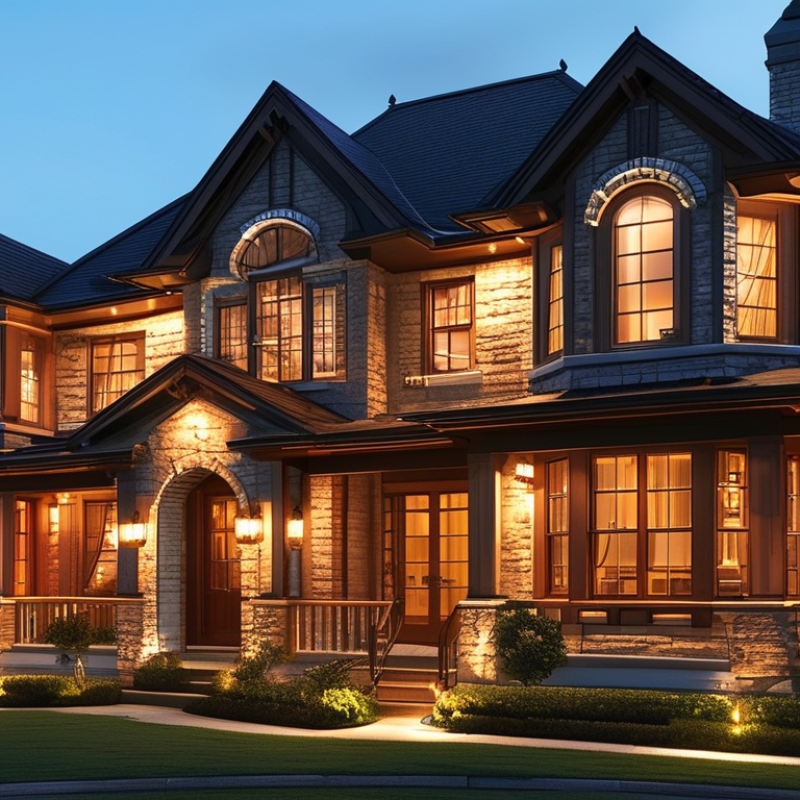
Top 10 Tips for Planning Lighting in New Construction?

Understanding the Importance of Lighting in New Construction Projects

Effective lighting design is crucial in new construction projects. It influences mood, safety, and functionality. Research shows that well-planned lighting can enhance productivity by up to 20%. In workspaces, natural light improves employee satisfaction and performance, resulting in lower turnover rates.

Understanding how lighting affects different areas is essential. For instance, ambient lighting sets the overall tone of a space. Task lighting, like desk lamps, directly aids in focused activities. A study indicated that poor lighting can lead to fatigue and decreased focus, impacting overall efficiency.

Challenges often arise in optimizing lighting. Many designers overlook the importance of dimmable options for flexibility. Adjusting light levels can help accommodate various activities and times of day. As construction evolves, continuous iteration on lighting strategies becomes necessary. Assessing these elements early in the planning process improves long-term satisfaction and functionality of the space.

Top 10 Tips for Planning Lighting in New Construction

Tip Number Lighting Consideration Description
1 Plan for Different Activities Consider the various activities in each room and the type of lighting that suits them best.
2 Use Natural Light Maximize window placement and sizes to take advantage of daylight.
3 Layer Your Lighting Combine ambient, task, and accent lighting for a balanced effect.
4 Choose Energy-Efficient Fixtures Select LED lights and fixtures to reduce energy consumption.
5 Consider Dimmers Incorporate dimmer switches to control light levels easily.
6 Select Appropriate Color Temperature Choose lighting color temperatures that fit the mood and function of each space.
7 Incorporate Smart Lighting Solutions Utilize smart technology for convenient control of lighting systems.
8 Consider Lighting Placement Strategically place lights for optimal illumination and aesthetics.
9 Account for Future Changes Design adaptable lighting to accommodate future renovations or additions.
10 Test Your Lighting Plan Review how the lighting performs in the actual space before finalizing fixtures.

Assessing Natural Light and Its Role in Design Decisions

Natural light is a vital aspect of architectural design. Studies indicate that spaces with ample natural light can increase occupant productivity by up to 15%. This phenomenon is linked to the human circadian rhythm, which benefits from exposure to daylight. Moreover, spaces designed with natural light can reduce energy costs. According to the U.S. Department of Energy, well-designed daylighting can cut lighting energy use by 50% or more.

When assessing natural light, designers must consider window placement. Floor-to-ceiling windows can enhance daylight but may lead to excessive heat gain. In fact, improper window choices account for nearly 30% of building energy loss. Shading devices, like overhangs and awnings, can optimize light without compromising comfort. Understanding the sun’s path throughout the year also guides effective planning.

Reflecting on design decisions is crucial. Over-reliance on natural light may not suit every space. Some areas, like commercial kitchens, require controlled artificial lighting. Designers should balance aesthetics and functionality. Evaluating a building's positioning on the site can offer insights into its future light conditions, but changes in landscaping can hinder light access. Each choice should align with the goals for occupant well-being, energy efficiency, and sustainability.

Choosing Energy-Efficient Lighting Solutions for Sustainability

When planning lighting for new construction, energy-efficient solutions should be a priority. Choosing LED bulbs is a smart decision. They use significantly less energy than traditional bulbs and last much longer. This can lead to lower electricity bills over time. An essential aspect is considering the overall design of your space. Natural light should be utilized as much as possible. Large windows and skylights can reduce reliance on artificial lighting during the day.

Sustainability isn’t just about energy savings. It also involves using materials that are eco-friendly. Dimmable fixtures can enhance energy efficiency while allowing for flexibility. Good planning includes thinking about the desired ambiance for each room. This might involve selecting the right color temperature for various spaces. For instance, cooler tones work well in kitchens, while warmer tones create a relaxing atmosphere in bedrooms.

Another consideration is smart lighting systems that adjust based on occupancy. These can further optimize energy use while providing convenience. However, the initial investment can seem daunting. Balancing upfront costs and long-term savings requires careful planning and reflection. Exploring local incentives for energy-efficient installations can help ease this burden.

Implementing Smart Lighting Technologies for Modern Spaces

When planning lighting for new construction, smart lighting technologies play a pivotal role. These systems enhance energy efficiency and optimize user experience. According to a report by the U.S. Department of Energy, over 30% of energy used in commercial buildings comes from lighting. Implementing smart lighting can reduce this by up to 75%.

Smart solutions include sensors and programmable options. Occupancy sensors adjust light based on presence. Daylight harvesting captures natural light to lower electric use. It's crucial to consider the architecture when integrating these technologies. However, some installations may lack adequate user training on smart systems. This can lead to underutilization and frustration.

Furthermore, flexibility in lighting design allows for adaptability in modern spaces. Customizable lighting not only meets aesthetic needs but also enhances functionality. But, the complex technology may overwhelm homeowners. Feedback from users indicates that clearer instructions are essential for a successful transition to smart lighting. As construction practices evolve, the focus on smart solutions should prioritize user understanding and seamless integration.

Planning for Flexibility: Adapting Lighting Schemes for Future Needs

When planning lighting for new construction, flexibility is the key to long-term satisfaction. According to a report by the International Association of Lighting Designers, buildings designed with adaptable lighting schemes can easily accommodate future changes in use. This adaptability not only enhances functionality but also improves the overall value of the property.

One effective tip is to install dimmable lighting systems. These can adjust to various activities, from intimate gatherings to workspace needs. A study found that homes with versatile lighting installations can increase user satisfaction by up to 30%. Additionally, consider incorporating smart lighting technology. This provides future-proofing options, allowing homeowners to modify settings with ease.

Another strategy involves pre-wiring for additional fixtures. This allows for easy installation down the line without major renovations. However, this requires careful planning. Anticipating future needs is not always straightforward, and preferences may change. Embrace this uncertainty and remain open to evolving preferences. Balancing flexibility and your current lighting scheme ensures an efficient and aesthetically pleasing environment.

FAQS

: Why is natural light important in architectural design?

: Natural light can boost occupant productivity by up to 15%. It positively influences the human circadian rhythm.

How does window placement affect natural light?

Floor-to-ceiling windows improve daylight but may cause excessive heat. Poor window choices lead to significant energy loss.

What can help enhance natural light without discomfort?

Shading devices like overhangs and awnings can optimize light levels while maintaining comfort in the space.

Should all spaces rely on natural light?

No, some areas, such as commercial kitchens, may need controlled artificial lighting. Balance is key in design.

What are the benefits of energy-efficient lighting?

Energy-efficient solutions, like LED bulbs, cut electricity costs and have a longer lifespan compared to traditional options.

What role do smart lighting technologies play?

Smart technologies can significantly reduce energy consumption, offering efficiency and user convenience with programmable features.

How can occupancy sensors enhance lighting efficiency?

Occupancy sensors adjust lighting based on presence, reducing unnecessary energy usage by turning lights off when no one is there.

Are there complications with smart lighting systems?

Yes, inadequate training on smart systems can lead to underutilization. Clear instructions are essential for effective use.

How does landscaping affect natural light access?

Landscaping changes can obstruct light, impacting the effectiveness of natural light in a building's environment.

What factors should be evaluated for lighting design?

Consider the desired ambiance, the architectural context, and future light conditions. These choices affect occupant well-being.

Conclusion

When considering how to plan lighting for new construction, it is essential to recognize the significance of lighting in enhancing both aesthetics and functionality within a space. A well-thought-out lighting strategy starts with an assessment of natural light and its influence on design decisions, ensuring that the incorporation of windows and other openings complements artificial lighting solutions.

Further, selecting energy-efficient lighting options not only promotes sustainability but can also reduce long-term operational costs. Integrating smart lighting technologies can offer modern conveniences and adaptability, allowing for seamless adjustments based on changing needs or preferences. Lastly, planning for flexibility in lighting schemes ensures that the spaces can evolve over time, catering to future requirements and enhancing the overall user experience.

Amelia

Amelia

Amelia is a seasoned marketing professional with a wealth of expertise in our company’s core offerings. With an unwavering passion for driving growth and innovation, she plays a pivotal role in shaping our marketing strategies and enhancing brand visibility. A key aspect of her responsibilities......