SMOG Lights
South Sudan Industrial & Infrastructure LED Lighting Whitepaper
As South Sudan pushes forward with vital urban and regional infrastructure initiatives—spanning Juba's commercial expansions, airport logistics hubs, off-grid localized agriculture, and industrial sites—energy optimization remains a primary developmental constraint. Historically dependent on centralized diesel generation and localized mini-grids, industrial stakeholders suffer high overhead costs due to fuel importation and fuel supply chain volatility. Transitioning to advanced solid-state lighting (SSL), particularly high-performance LED Tube Lights, stands as the most accessible strategy to optimize energy performance, reduce maintenance expenditures, and establish reliable local light fields.
1. Technical Architecture of Commercial Lighting in South Sudan
Deploying solid-state lighting in East Africa demands rigorous attention to climatic stress, dust ingress, and raw electrical grid characteristics. Unlike temperate regions, South Sudan's average operating environment exhibits several variables that will quickly degrade generic consumer-grade electronics:
- Thermal Thresholds & Heat Dissipation: High ambient temperatures exceeding 40°C in dry seasons demand LED fixtures built with heavy-duty 6063-T5 extruded aluminum heat sinks. Inferior structural housings lead to rapid thermal build-up, causing standard junction temperatures to spike past 85°C, resulting in accelerated lumen depreciation and chromaticity shift.
- Microgrid and Generator Voltage Tolerances: Industrial sites in towns like Wau, Malakal, and Juba often rely on heavy diesel gensets. These configurations present severe transient voltage spikes, surges, and frequency fluctuations. SMOG Lights incorporates custom constant-current IC drivers capable of managing wide-range inputs (typically 85V to 265V, optionally upgraded to 100V-305V) equipped with integrated 4kV-6kV surge protection.
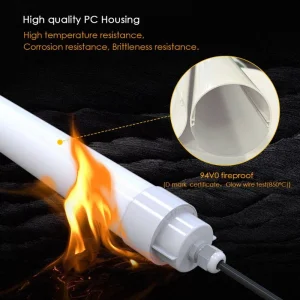
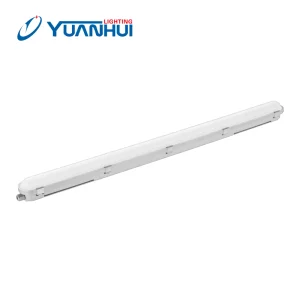
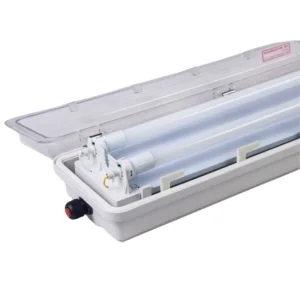
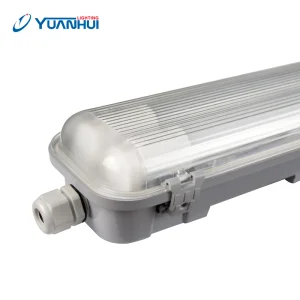
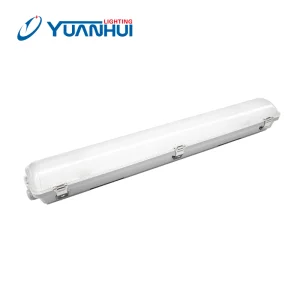
- Ingress Protection against Fine Atmospheric Dust: The dry season in the Sahel region brings fine dust storms (Haboobs). Standard batten systems lack adequate sealing, allowing particulate matter to coat the interior lens, degrading optics and introducing electrical hazards. Our IP65/IP66 waterproof, dustproof vapor-tight linear systems ensure the LED assembly remains completely hermetic.
2. The Strategic Advantages of Sourcing Direct from Chinese OEM Factories
Navigating direct sourcing pipelines from Chinese industrial zones like Dongguan gives international development agencies, construction companies, and commercial contractors working in South Sudan a strong technological and financial advantage. Partnering with a vertically integrated manufacturer like Dongguan SMOG Lights Technology Co., Ltd. offers three core pillars of security:
A. Advanced Quality Control Protocols: SMOG Lights relies on high-speed SMT assembly lines, automated goniophotometer optical testing, and 100% high-temperature burning-in test chambers. This level of quality assurance is difficult to guarantee through intermediate trading entities. Every batch undergoes strict compliance mapping for electromagnetic compatibility (EMC/CE/CB certifications) before shipping.
B. Customization for Local Environmental Contexts: Factory-direct relationships allow our engineering teams to adjust the hardware specifications to match local challenges. For example, we can substitute standard electrolytic capacitors with premium components rated for over 10,000 hours at 105°C, select specific CCT ranges (such as 6000K-6500K for active commercial facilities, or 3000K for specific residential compounds), and integrate specialized emergency backup battery packs directly into the tubes.
C. Supply Chain Resilience and Logistics Management: Sourcing direct minimizes transaction costs and ensures structured packing parameters optimized for sea container transit via Mombasa Port (Kenya) or Port Sudan, followed by overland shipping lanes to Juba. Proper container packaging mitigates micro-vibrations during shipping, preventing early solder fractures in transit.
3. Key Energy & Commercial Trends in South Sudan
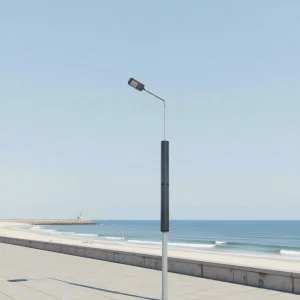
As South Sudan aligns its energy frameworks with the East African Community (EAC) standards, the country's public and private sectors are adopting modern efficiency codes. The focus is shifting toward solar-diesel hybrid systems for agricultural processing, humanitarian aid offices, and mining encampments. In these micro-grid systems, every watt saved on lighting direct increases the runtime of battery storage systems, lowering overall capital costs. Our specialized products, such as the 30W Anti-Dust LED Solar Pole Street Light with Vertical Solar Tube, support this transition by offering completely self-sustaining municipal and area lighting solutions that perform reliably in dusty and hot conditions.